What does it mean to carry a name for six generations?
Not a logo. Not a shopfront. A name that older customers say the way you'd say the name of a person you trust — with the small certainty of someone who has never had to check. In this conversation, Avneesh sits down with his father to talk about what has travelled forward through six generations of saffron, and what the family chose to leave behind.
The family's work with saffron goes back to 1840. The Baby Saffron brand itself came later, in 1965. That gap matters more than it looks. For over a century before there was a brand, there was only the work: buying, grading, sorting, selling. The name came after the reputation, not before it — which is the opposite of how most brands are built, and it shaped everything that followed.
What a trading house teaches you
Khari Baoli is Asia's oldest spice market, and it is not a gentle place to learn. Buyers there can tell a great lot from a good one in seconds. There is no marketing between the spice and the person deciding whether to pay for it. You learn to grade with your hands and your nose because those are the only tools that settle an argument.
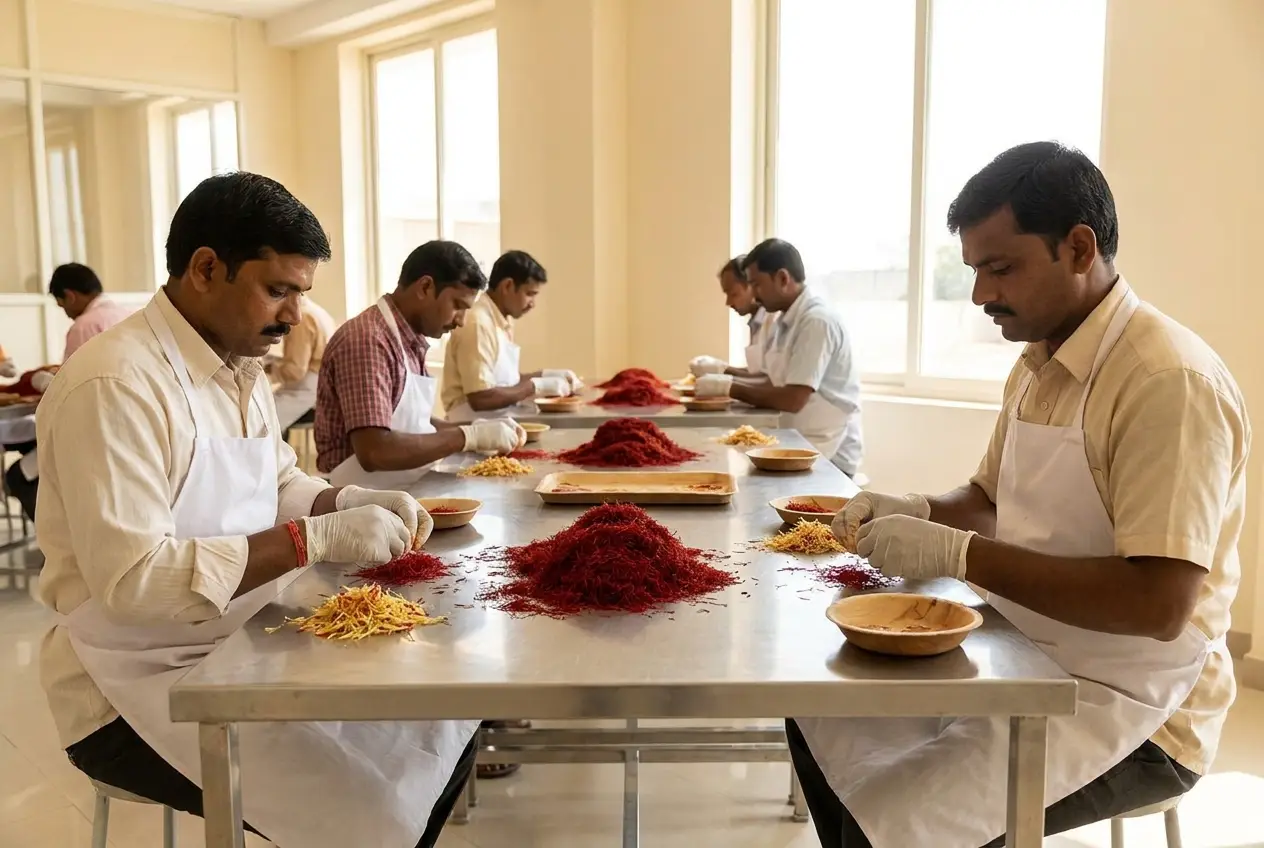
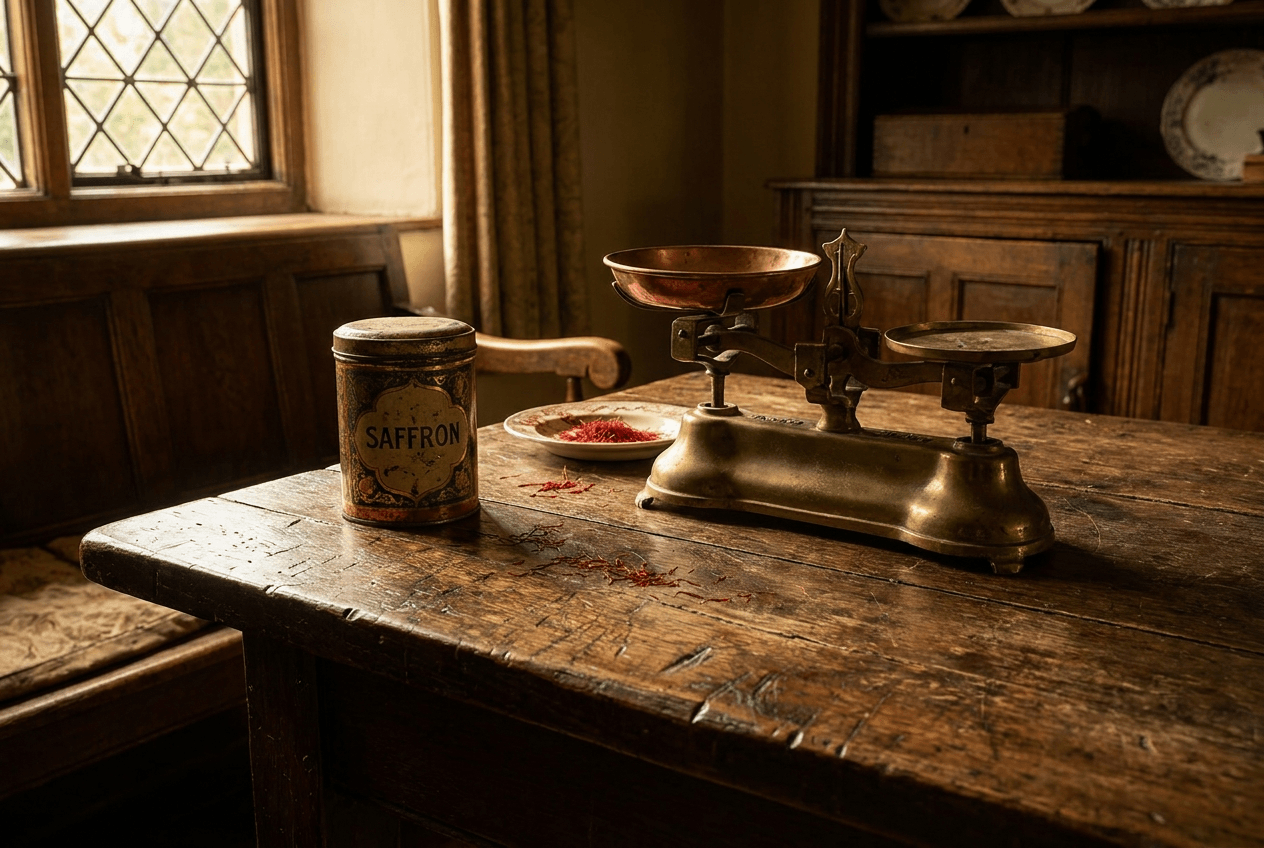
That inheritance is the part the family never negotiated. Saffron is still graded by hand. Colour, aroma, the length and shape of the thread, how it behaves when it meets warm milk — these are still the tests, and they are still applied one lot at a time by people who have done it for decades.
Nothing about that scales elegantly. It would be cheaper not to. But it is the only part of the business that cannot be rebuilt if it is lost, so it stays.
The things that had to change
Plenty else did change, and the conversation is honest about it.
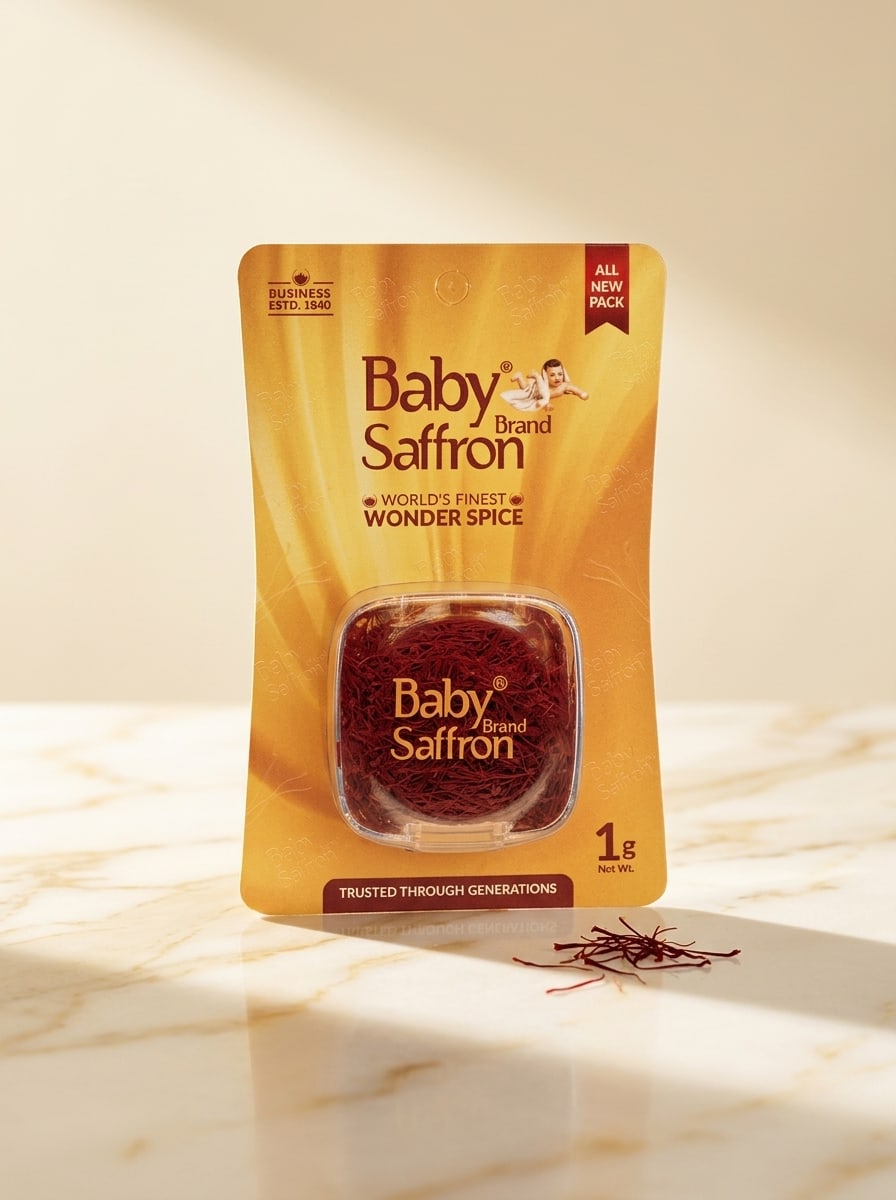
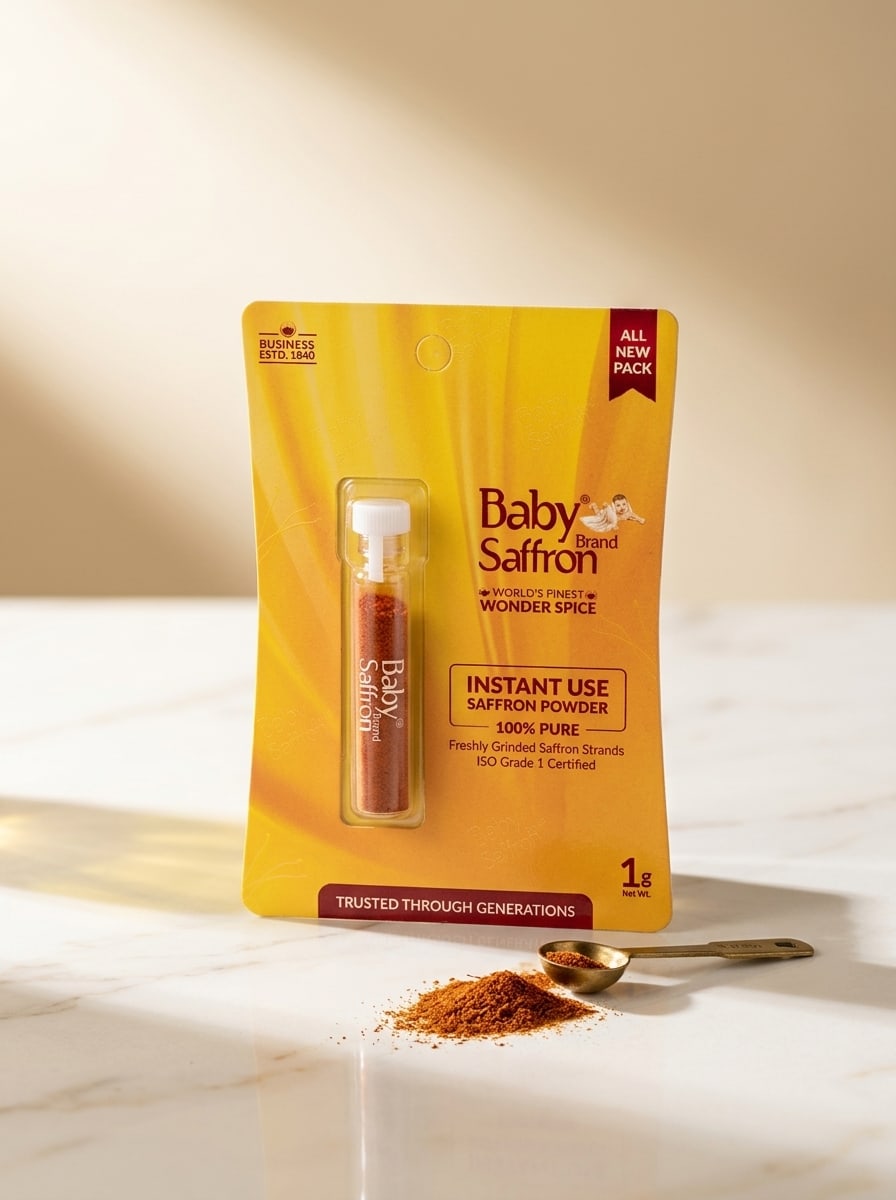
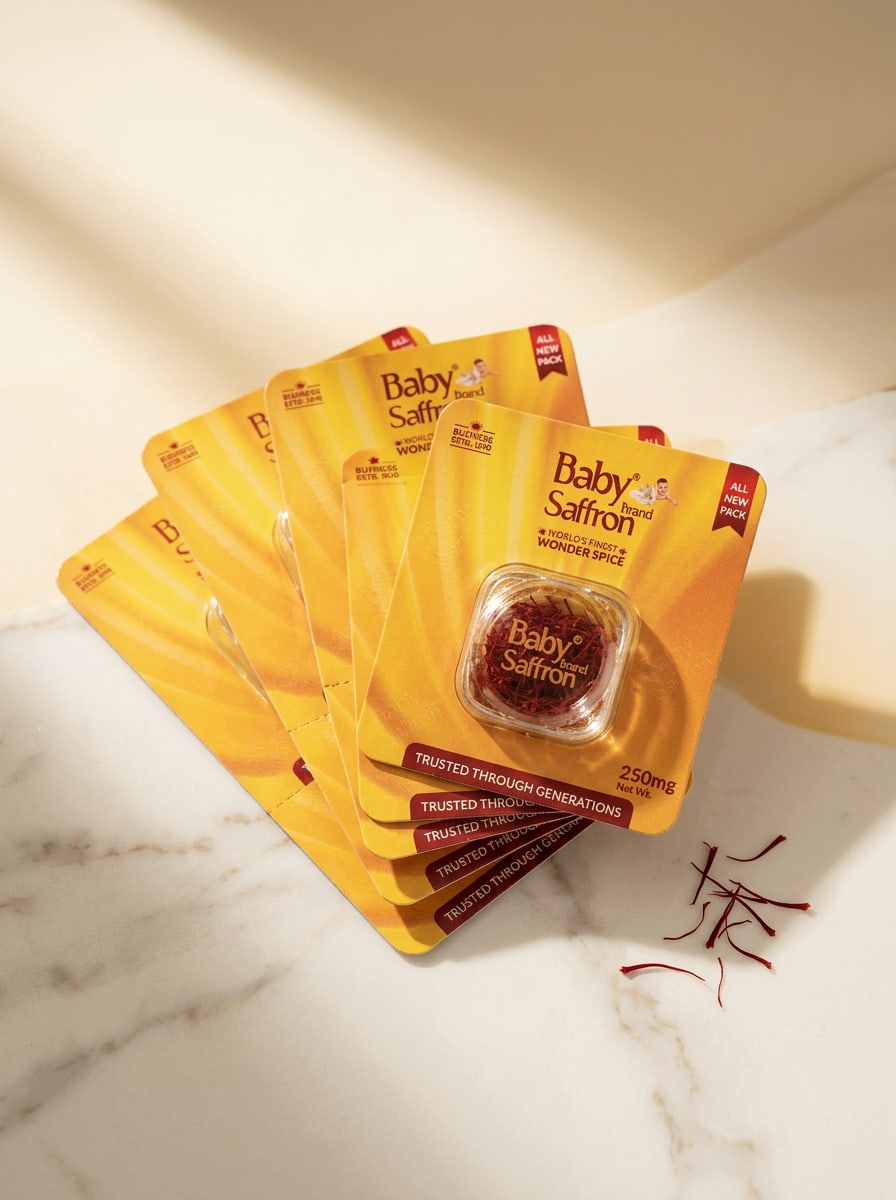
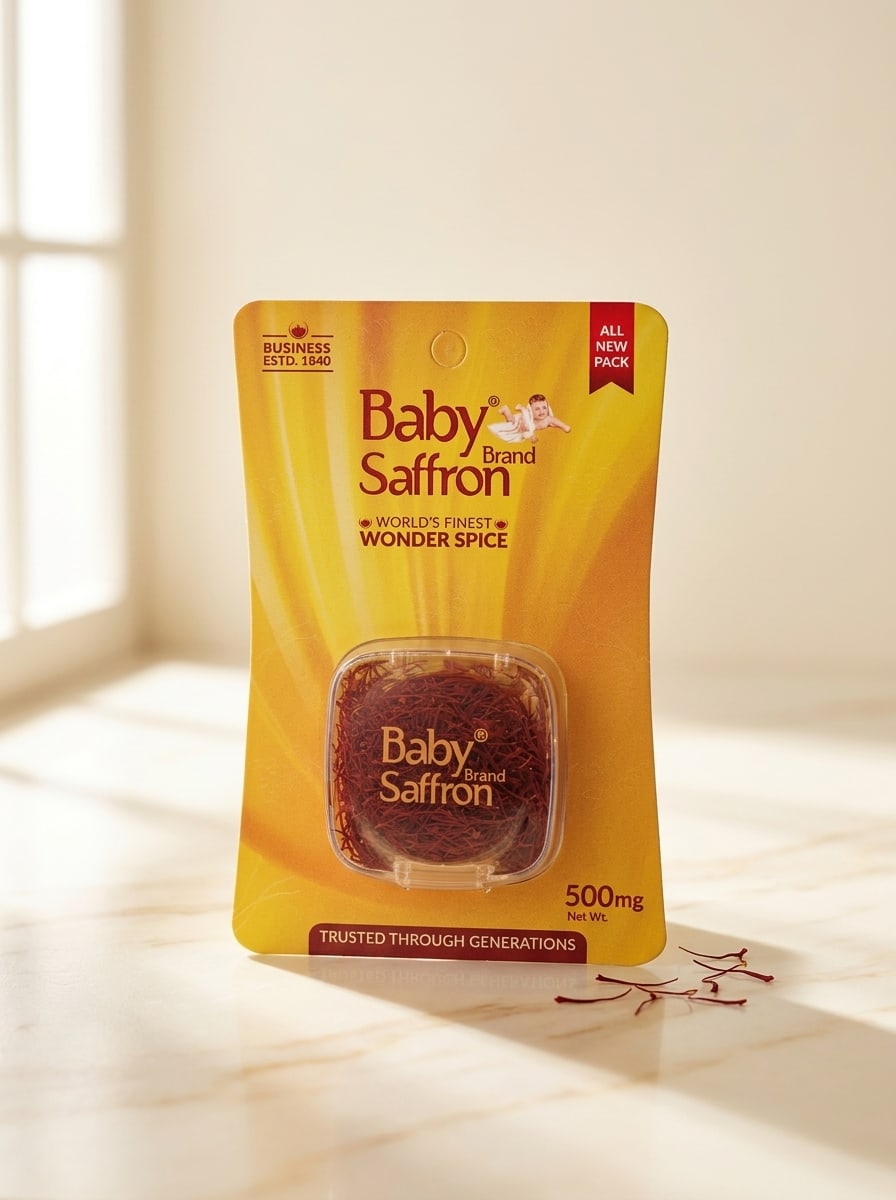
The first was packaging. Saffron was sold loose or in paper for a long time, and loose saffron is vulnerable in every direction — light, air, moisture, and the simple fact that nobody can tell where it came from. Premium packaging was not about looking expensive. It was about sealing a specific quality at a specific moment and letting a customer three cities away receive exactly what left the sorting table.
The second was harder, because it meant walking away from something that sold. For years a great deal of what Indian households bought as saffron was yellow-style — pale, cheap, heavily diluted, dyed to look like value. It moved quickly. It was also, in every way that matters, not the thing it claimed to be.
Stepping away from that meant being more expensive than the shelf next to you and having no way to explain why in the two seconds a shopper gives you. The family did it anyway. The argument was simple: you can win a sale by being cheaper, or you can win a household by being right. Only one of those comes back next year.
What six generations actually buys you
Not authority. Time.
Time to discover that a thread's colour tells you less than its aroma. Time to learn which growing seasons produce lots worth waiting for. Time to make mistakes early enough that they became rules rather than losses. Most businesses get one lifetime to learn their material. A saffron house that has stayed in one spice since 1840 gets six, and every one of them was spent on the same question: is this good enough to put our name on?
That is also the weight of it. A family name on a tin is a promise that outlives whoever signed it. The customer buying a pack today is trusting decisions made by people they will never meet, in a market they will never visit, about a spice they cannot easily verify. That trust is the actual product. The saffron is how it is delivered.
The part that hasn't changed at all
Ask what has stayed constant across six generations and the answer is smaller than you'd expect. Not a recipe. Not a technique. A habit: refuse the lot that isn't good enough, even when refusing it costs you.
Every other decision in this story — the packaging, the move away from yellow style, the grading discipline, the pricing that had to follow — comes from that one habit applied for a very long time.
It is not a dramatic thing to build a company on. It is just very hard to keep doing.