If you have read the other pieces here, one thing will have stood out: the doses are tiny. Not a teaspoon. Not a gram. Milligrams. This is the article that puts the number in one place, along with the safety evidence, because "natural" and "safe at any amount" are not the same sentence.
The number the research keeps landing on
Across the mood trials, the memory trials and much of the metabolic work, the dose is 30 mg a day — usually given as 15 mg twice. The eye studies mostly used 20 mg. A few used 50 or 100 mg. Reviews of the brain and mood literature describe 30 mg a day as the standard comparison dose, and at that level saffron performed comparably to fluoxetine in depression trials and to donepezil in Alzheimer's trials.
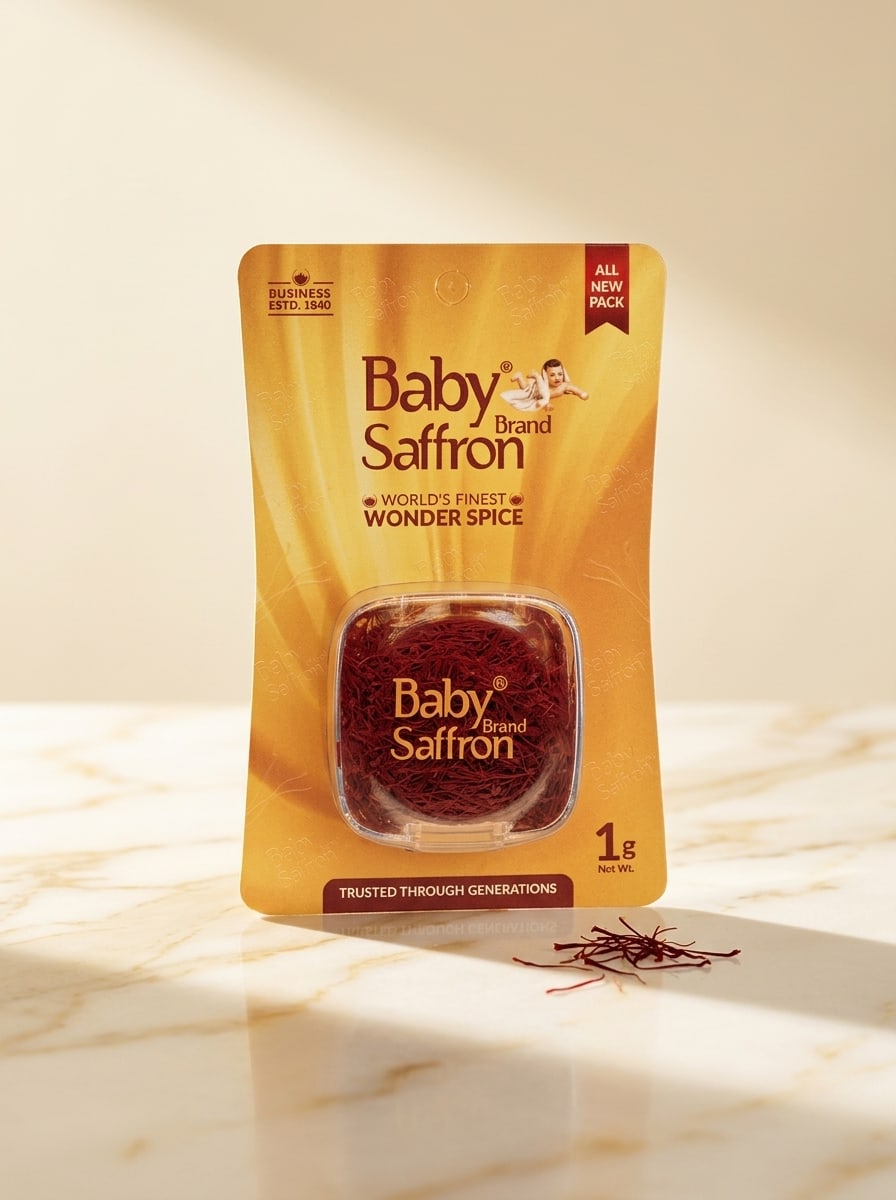
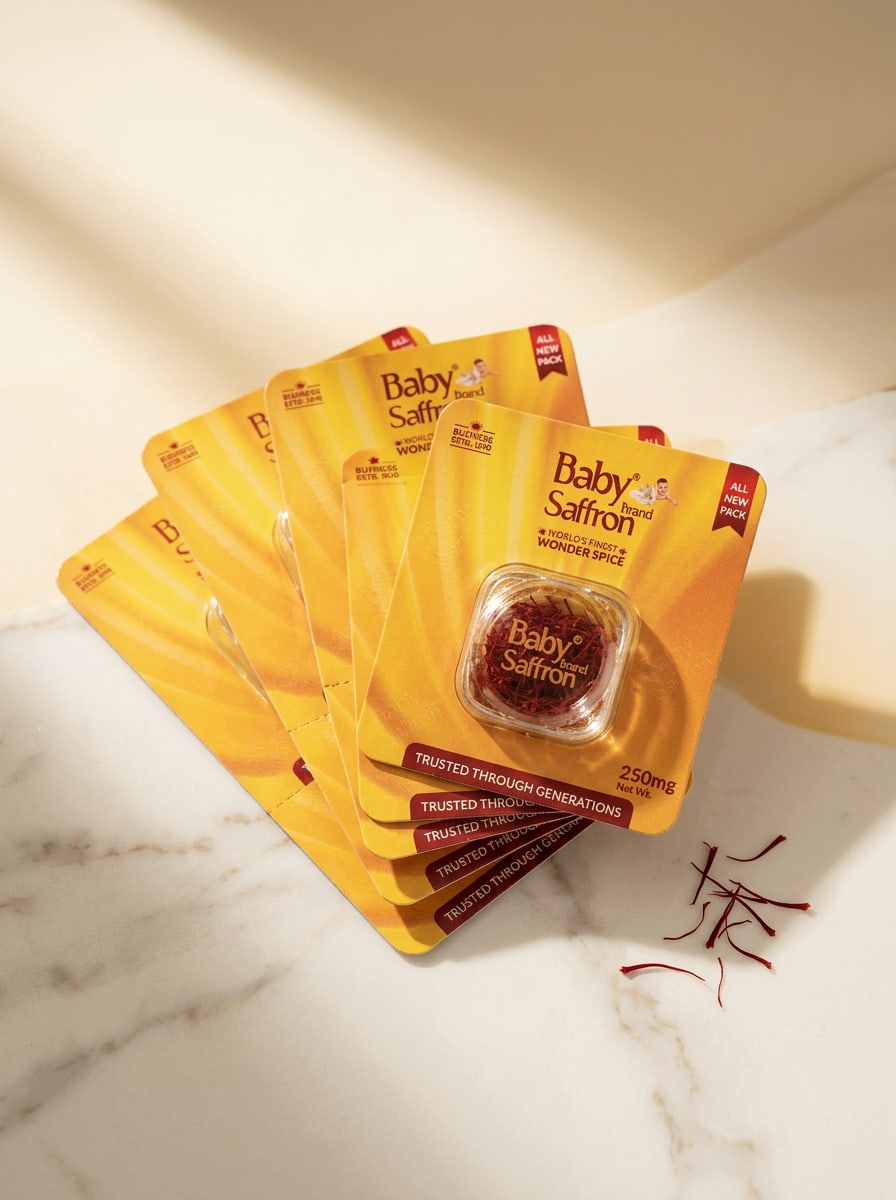
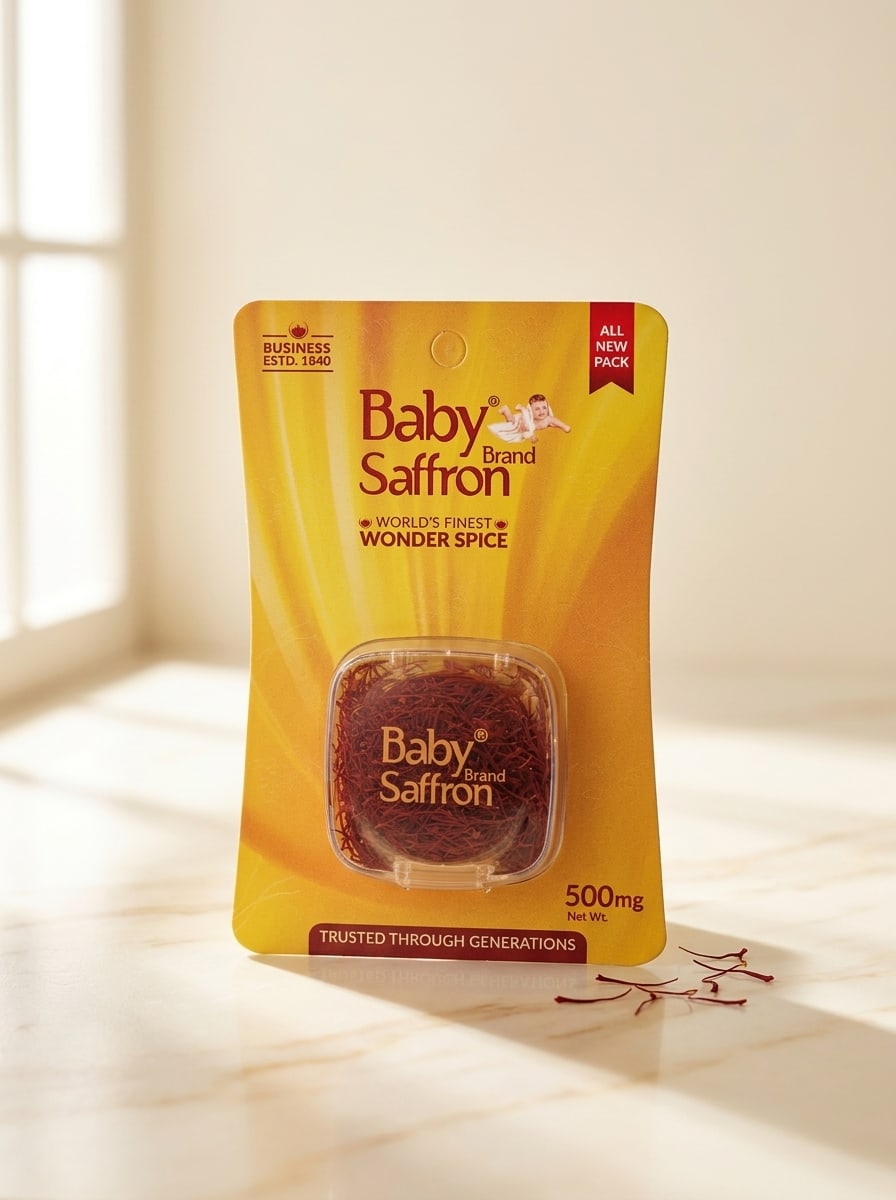
Thirty milligrams is roughly a generous pinch of threads. To put it in kitchen terms: a one-gram pack of good saffron holds something like thirty of those. This is the rare case where the traditional Indian measure — a few threads, bloomed in warm milk — and the clinical dose are in the same neighbourhood.
More is emphatically not better. Saffron is potent, expensive, and, above a certain point, not benign.
What the safety studies show
The short answer is reassuring. A 2013 randomised, double-blind, placebo-controlled study by Mohamadpour and colleagues gave healthy volunteers 20 mg of crocin daily for a month and tracked haematological, biochemical, hormonal and urinary markers. No major adverse events. A 2015 study by Mousavi's group gave saffron extract and crocin at 15 mg twice daily for twelve weeks and again found them well tolerated, with liver, kidney, thyroid and inflammatory markers unchanged.
Across the trial literature more broadly — the depression trials, the Alzheimer's trials, the macular degeneration trials — the recurring line in the results is that side effects were no more common than on placebo.
The exception, stated plainly
Toxicology reviews are consistent on two points. Acute toxicity for saffron, crocin and safranal is low. But organ toxicity has been observed at high doses in animal studies, and teratogenic effects — harm to a developing foetus — have been reported at high concentrations.
This deserves care, because saffron in pregnancy is a genuine Indian tradition, and we are not about to tell anyone their grandmother was wrong. The distinction is dose. A few threads in milk is food, and has been for centuries. A concentrated supplement at many times the culinary amount is not food, and has not been shown safe in pregnancy. If you are pregnant, ask your doctor before taking saffron as a supplement, and keep the kitchen amounts as kitchen amounts.
The useful phrase from the toxicology literature is "wide therapeutic index": the doses that work in trials sit far below the doses that cause problems. That is a good property for a food to have. It is not permission to take ten times the dose.
How to actually take it
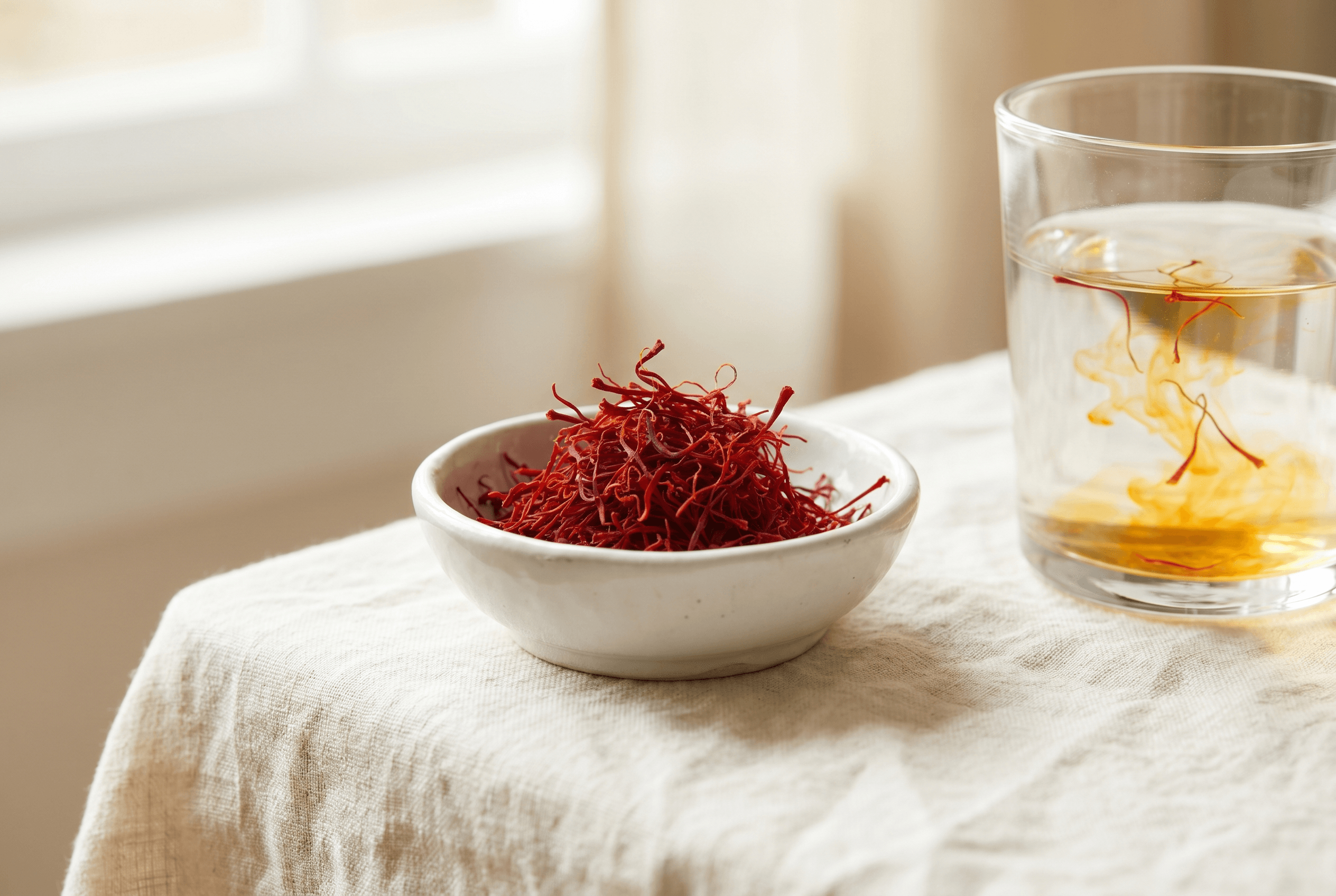
Bloom it. Warm two or three tablespoons of milk or water, drop the threads in, leave them ten minutes until the liquid goes deep gold, then use the whole thing. Saffron dropped dry into a hot pan gives you a fraction of its colour and flavour, and the compounds the research is about come out into liquid.
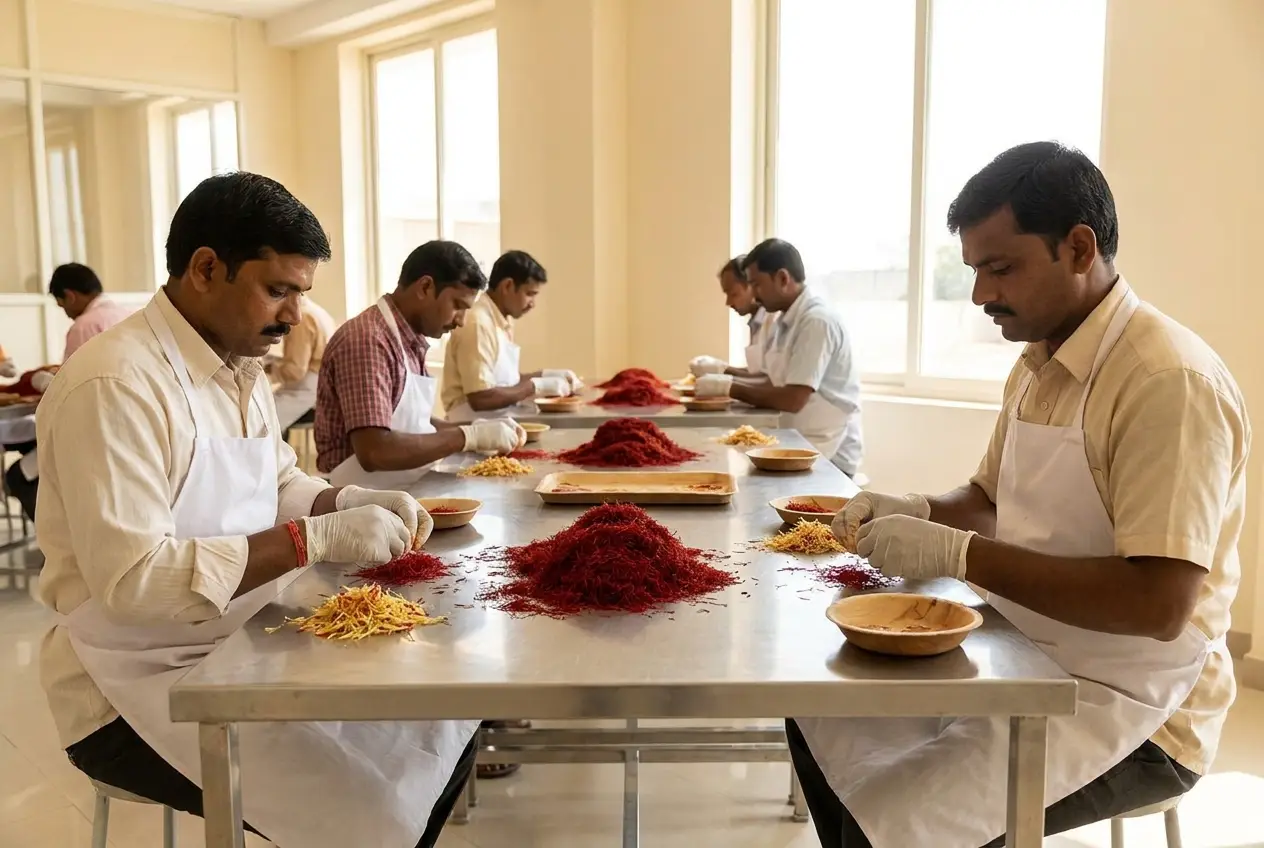
And — the point every one of these articles ends on, because it is the only one we can actually control — none of this means anything if the threads are not real. Crocin, safranal and crocetin are what the studies measure. Dyed corn silk has none of them.
The research behind this
- Mohamadpour AH et al. Safety evaluation of crocin (a constituent of saffron) tablets in healthy volunteers. Iranian Journal of Basic Medical Sciences, 2013.
- Mousavi B et al. Safety evaluation of saffron stigma (Crocus sativus L.) aqueous extract and crocin in patients with schizophrenia. Avicenna Journal of Phytomedicine, 2015.
- Mehri S et al. Safety and toxicity of saffron. In: Saffron (Elsevier), 2020.
- Mir TG et al. Therapeutic application and toxicity associated with Crocus sativus (saffron) and its phytochemicals. Pharmacological Research - Modern Chinese Medicine, 2022.
- Kehtari T et al. From mood to memory: unlocking saffron's potential in brain health. Cureus, 2025.
This article summarises published research. It is not medical advice. If you are pregnant, breastfeeding, taking prescribed medication or managing a health condition, speak to your doctor before taking saffron as a supplement.