
Made to be seen.
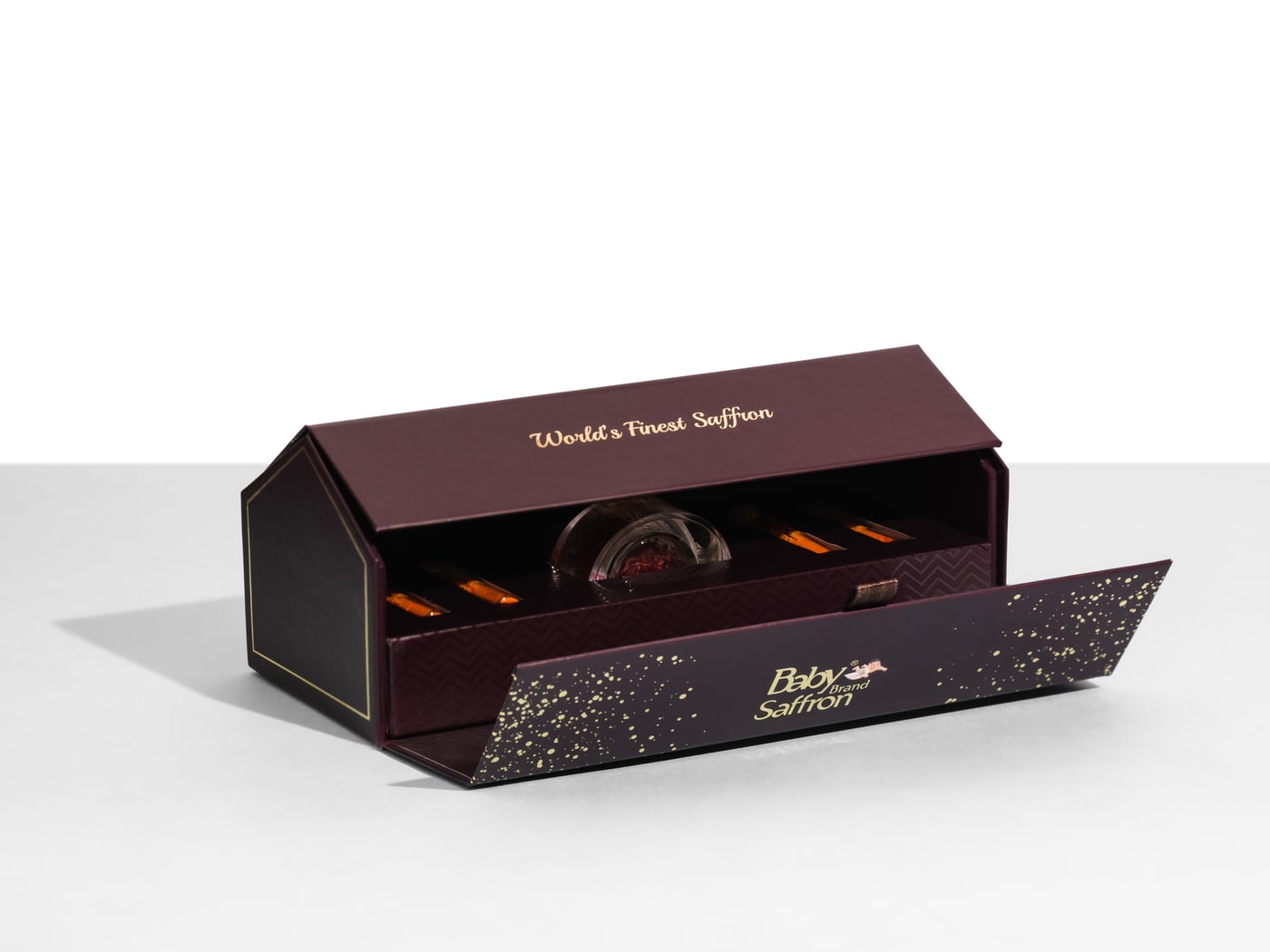
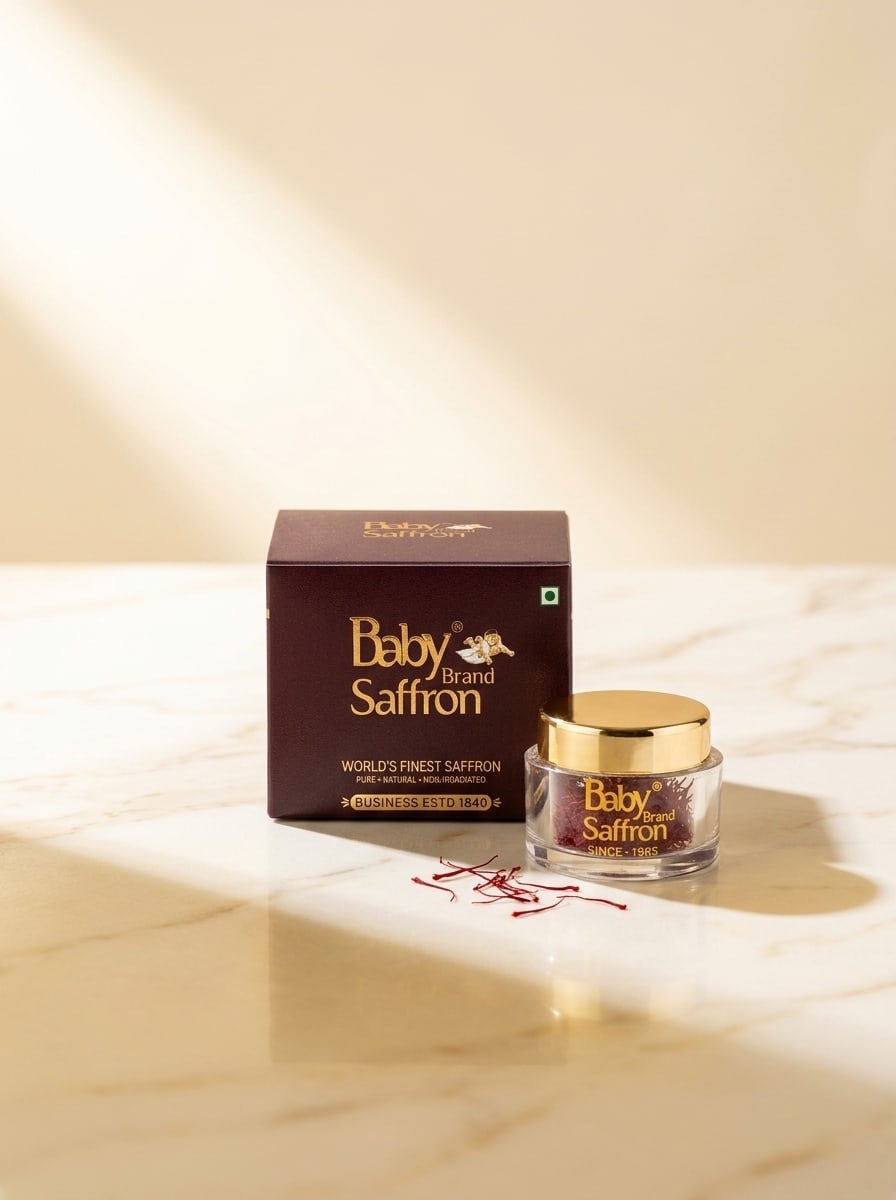
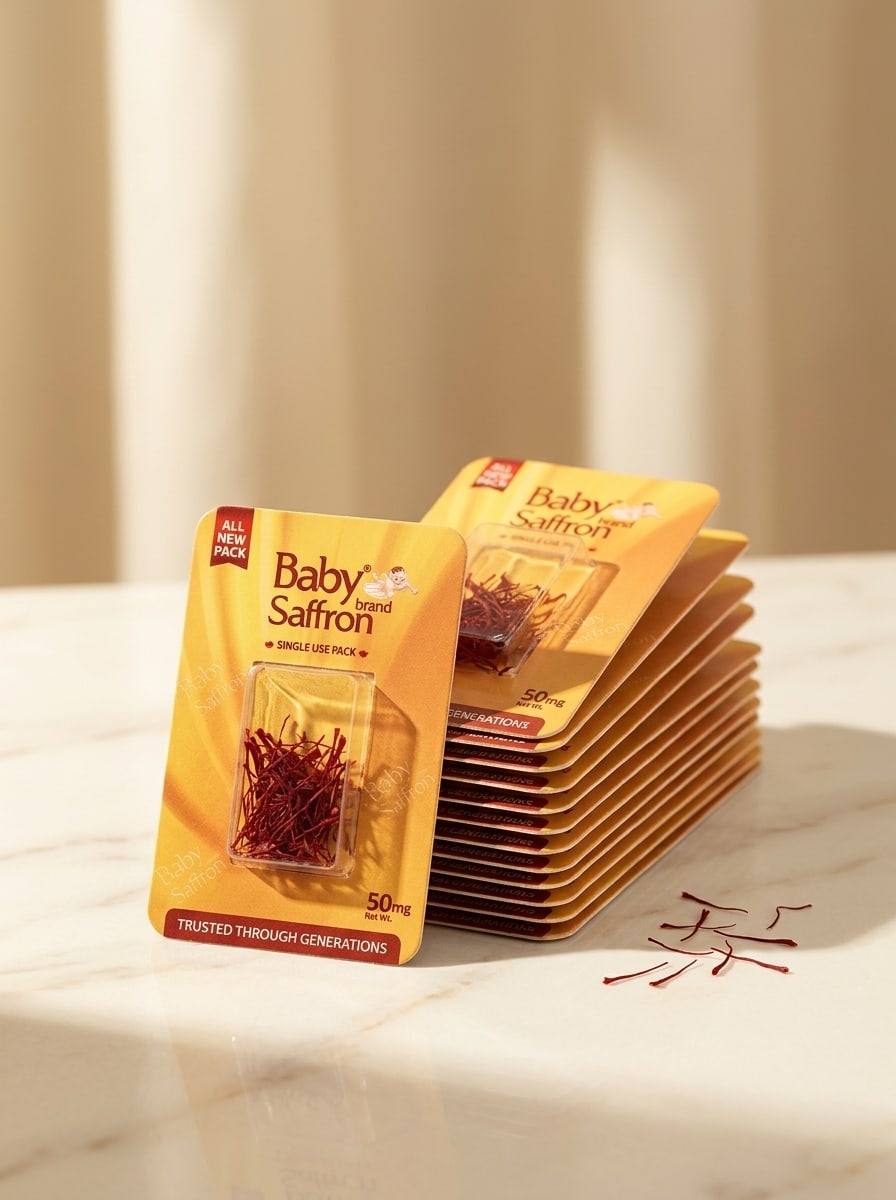
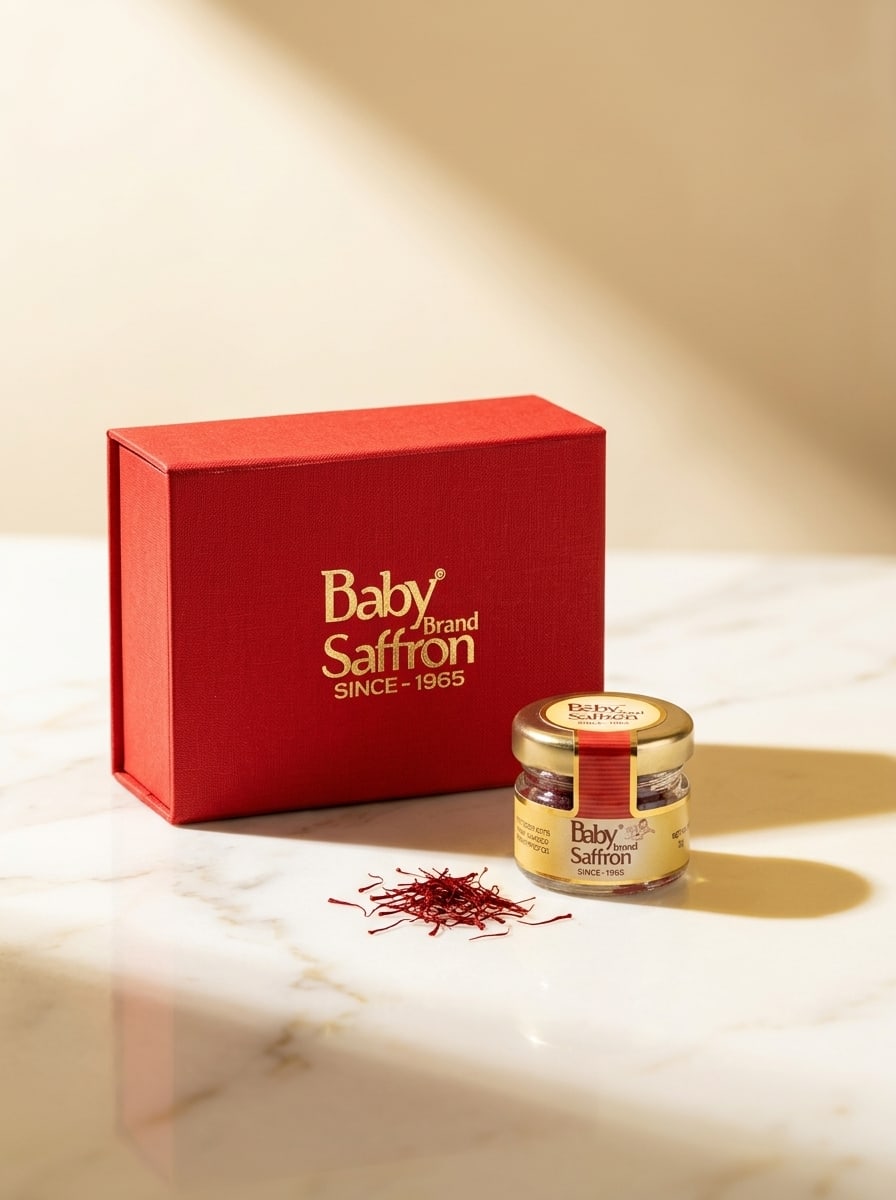
Every form, photographed the way it deserves — from the everyday pack to the gifts that carry six generations.
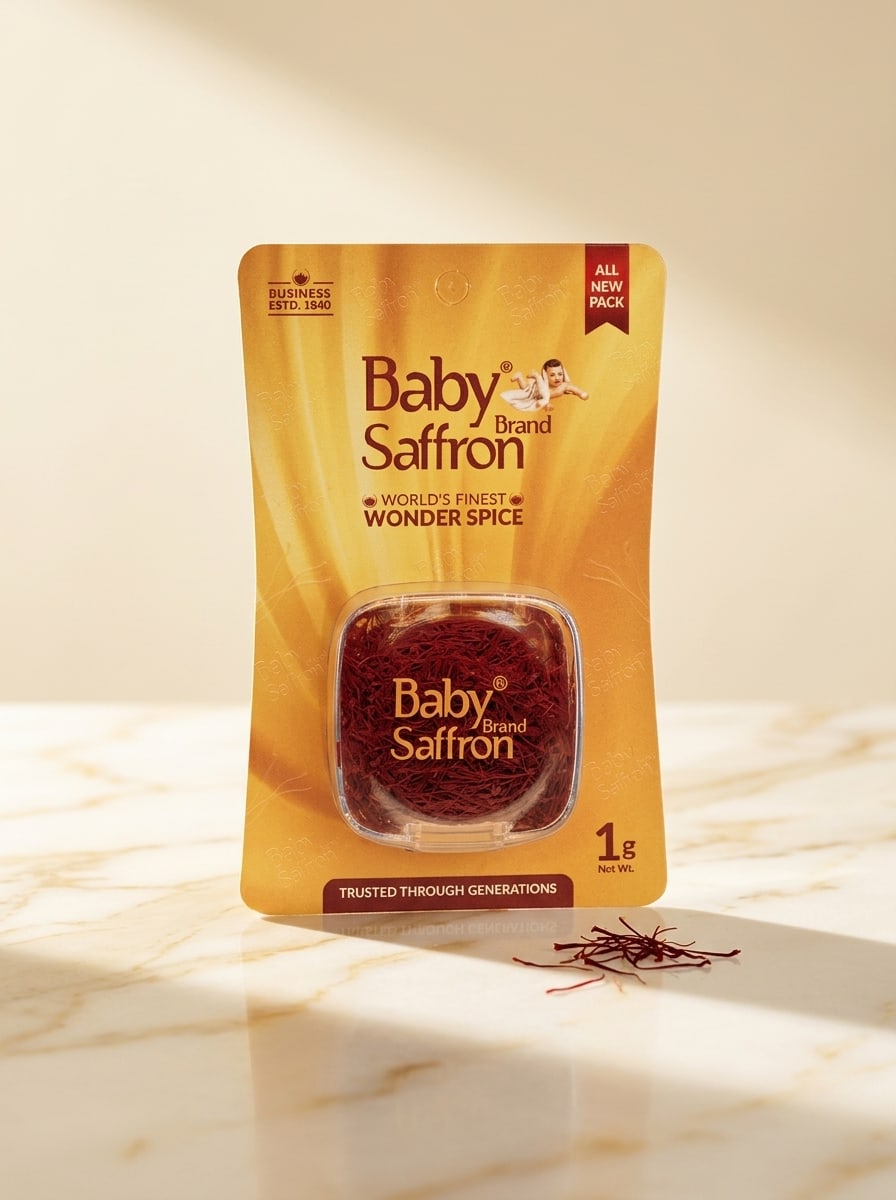
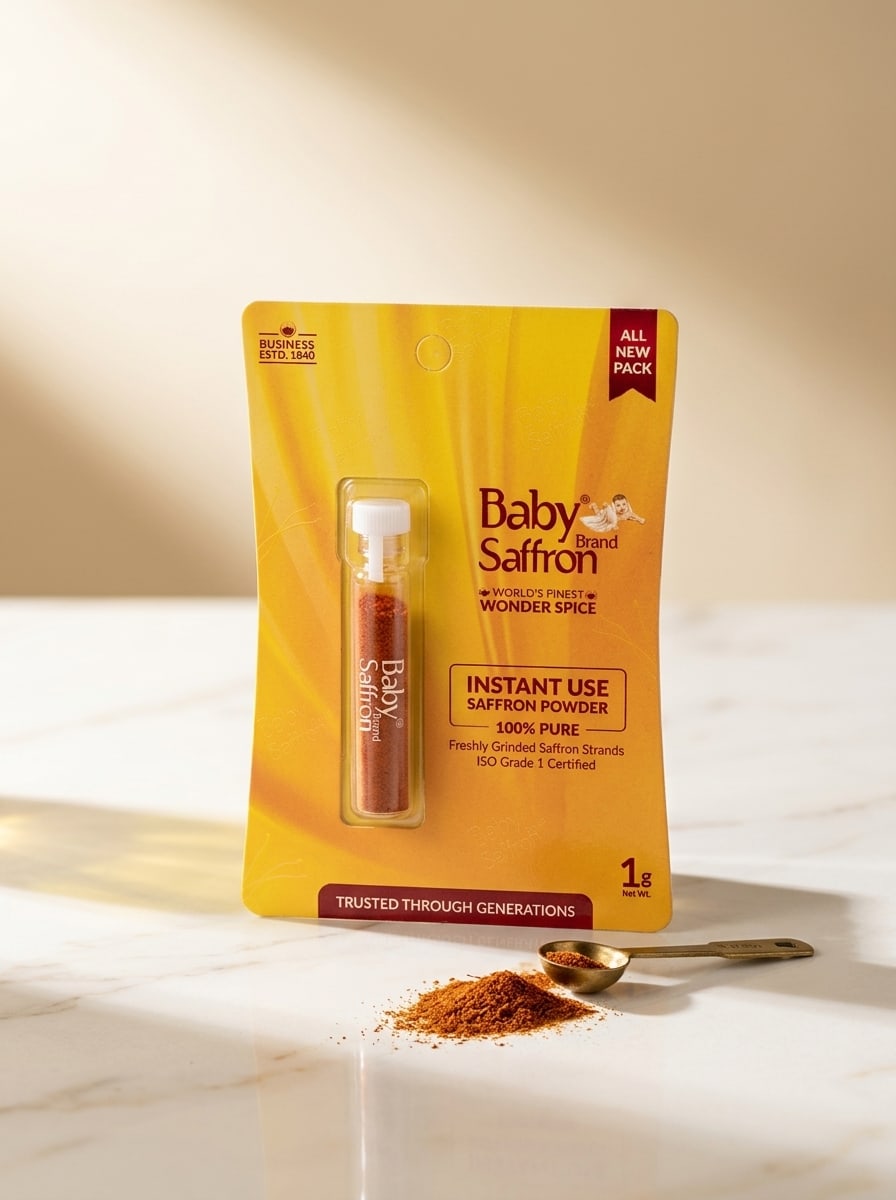
✓ Pan-India delivery · ✓ Secure checkout · ✓ Trusted for six decades
Six generations. One unchanging standard.
- 1965the Baby Saffron brand · family in saffron since 1840
- 60+years sourcing premium kesar
- 24states & UTs · in shops near you →
- 6thgeneration of the family at the floor
Purity is a process.
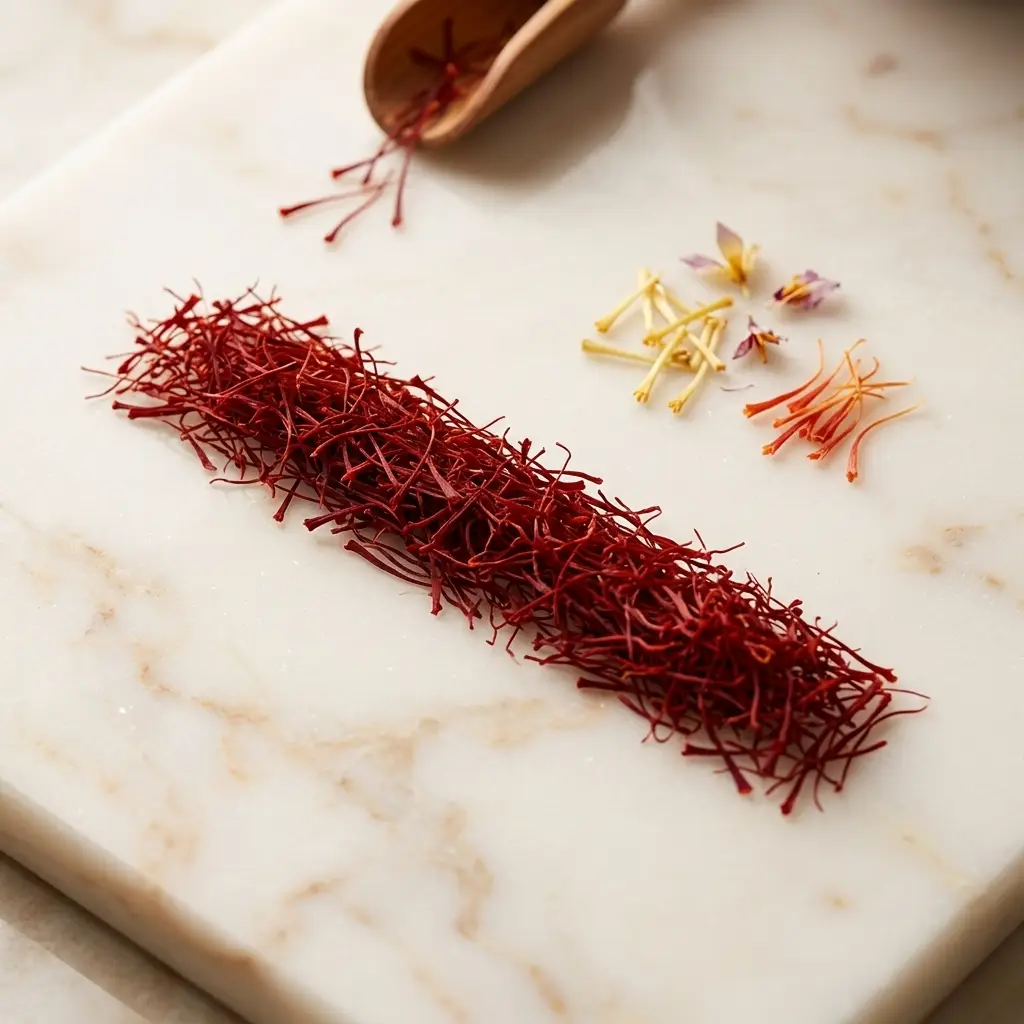
Saffron is hand-selected, graded by colour and length, gently dried, and sealed for freshness. The same eyes that have judged saffron for decades still walk the floor — so every impurity, every pale style, is taken out before it reaches you.
Pure Baby Saffron
- Deep-red strands
- Natural aroma
- Gradual colour release
- Careful, graded selection
Unprocessed saffron
- Floral waste
- Yellow style mixed in
- Dust & impurities
- Packed in plain plastic boxes, no protection
A pinch a day, studied for mood, sleep & calm.
What human trials measured, at roughly 30 mg a day.
Saffron is a food, not a medicine. This is an educational summary of published research, not a health claim and not medical advice.
Supports a steady mood
Studied for supporting mood, with results comparable to standard options in trials.
Shafiee 2025 · Nutr Rev →Everyday calm
Studied for easing everyday stress and anxiety, with a gentle profile.
Han 2024 · Phytother Res →Steadier blood sugar
Studied for supporting healthy blood-sugar levels across 15 randomised trials.
Karim 2024 · Diabetol Metab Syndr →Deeper sleep
Fall asleep faster, wake less, reach deeper sleep.
Sadat Rafiei 2023 · Nutr Metab Insights →Vision support
Studied for supporting vision as part of age-related eye health.
Broadhead 2018 · Graefe's Arch →Focus & attention
Studied for supporting attention and focus in children, alongside standard care.
Golsorkhi 2023 · Avicenna J Phytomed →Based on published, peer-reviewed research. Saffron is a food, not a medicine — this is not intended to diagnose, treat, cure, or prevent any disease.
Trusted by generations of families
“The colour and aroma are unreal. A few threads in warm milk and it blooms into deep gold — exactly how my grandmother's kitchen smelled.”
“You can tell it's the real, pure stuff. We've used Baby Saffron for festivals and sweets for years and it never disappoints.”
“Beautiful packaging and genuinely premium saffron. The gift pack is my go-to for weddings and Diwali every single year.”
A ritual for every hour.
From the morning glass to the festive table — the ways a pinch of kesar quietly runs through an Indian day.
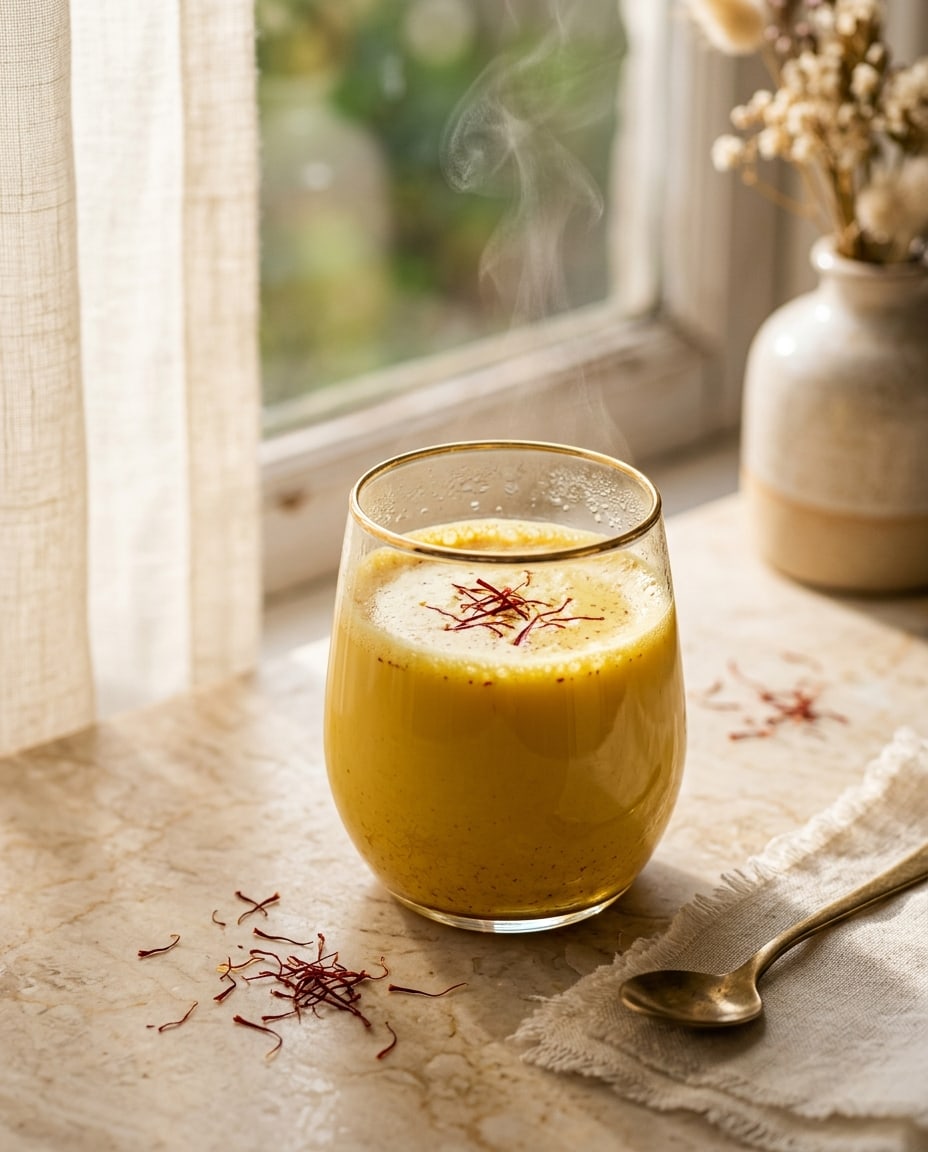
The everyday glass
Kesar doodh — a pinch of threads in warm milk, the ritual most of India grew up on.
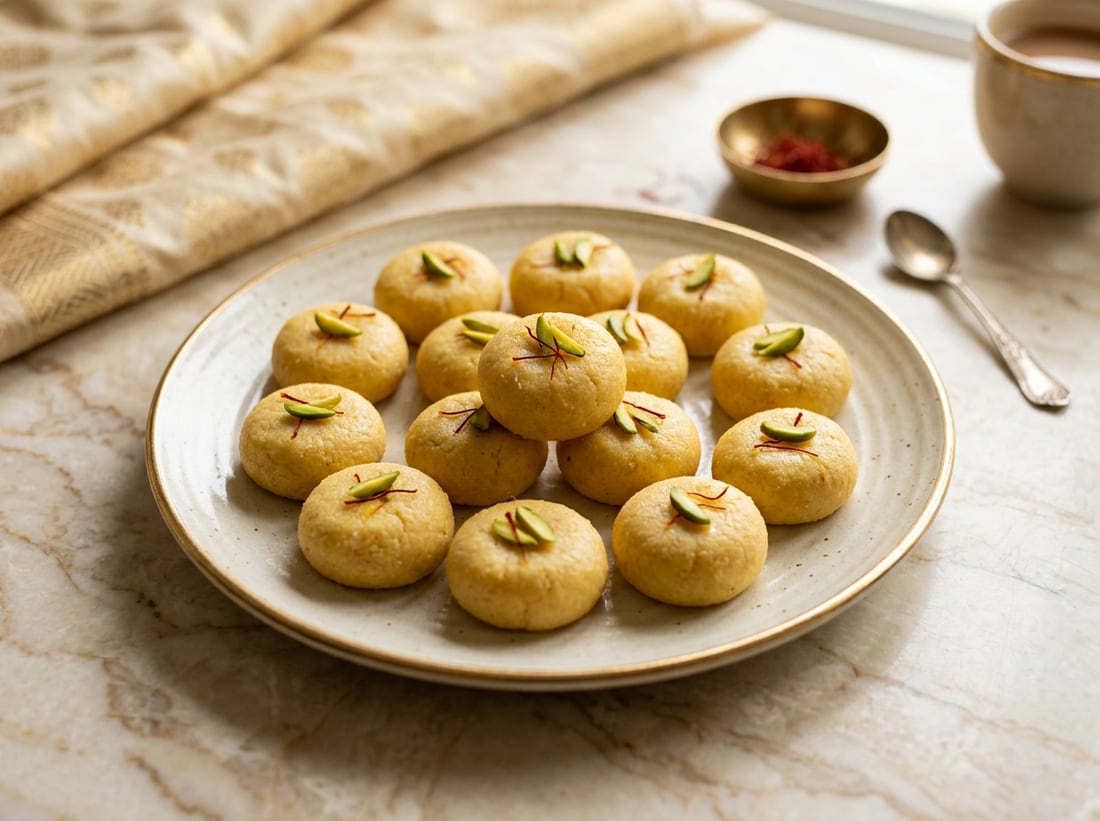
The festive table
Saffron sweets — peda, shrikhand, sheer khurma — the colour every occasion is built around.
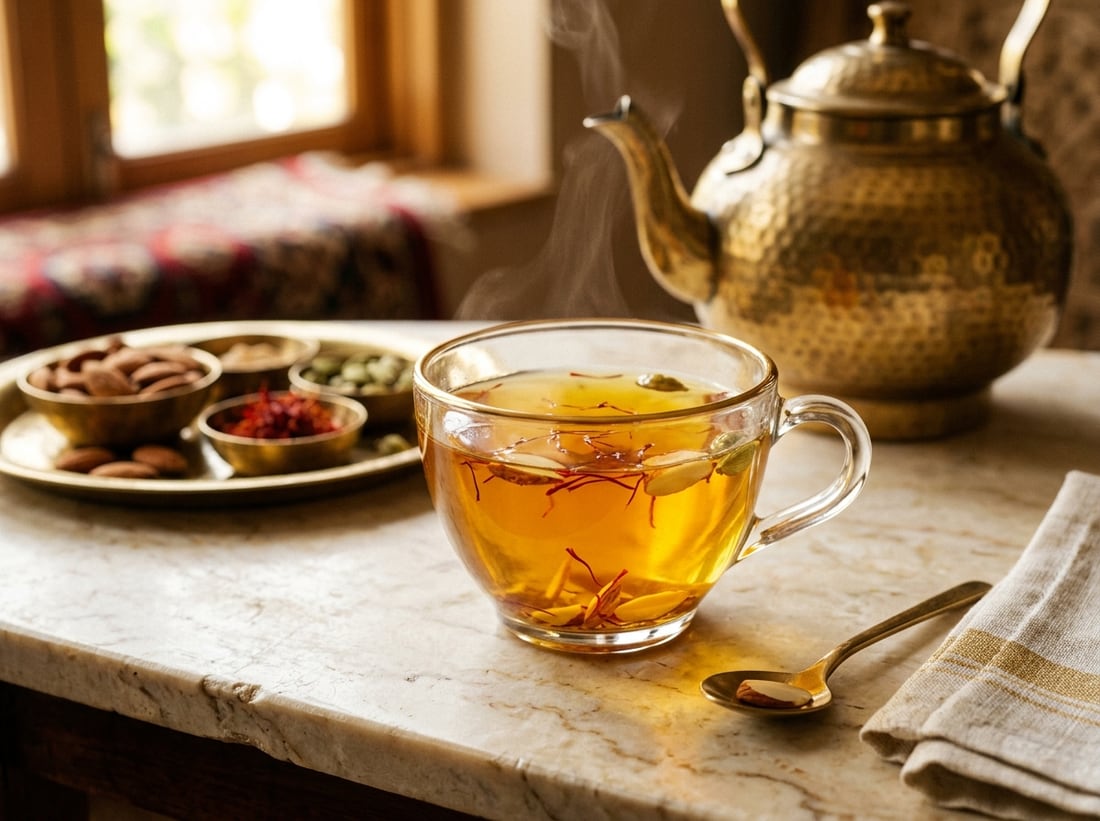
A slow, warm pour
Kahwa — saffron, almond and cardamom in a cup, the calm end to a long day.
Questions, answered.
Yes — one standard, every pack. Whether you pick the 250 mg trial pack, the 1 g everyday pack, the 5 g family jar, or a gift box, the saffron inside is drawn from the same lot and hand-graded against the same criteria.
The pack size, format and price change — the saffron, the grading threshold, and the family standard do not.
ISO 3632 is the international standard that classifies saffron quality across three measurable attributes: colouring strength (crocin), flavour (picrocrocin), and aroma (safranal). Each is read on a UV-visible spectrophotometer at fixed wavelengths.
- Grade 1 (Category I) requires the highest scores on all three — including a colouring strength of 200+.
- Grade 2 and Grade 3 fall progressively below those thresholds.
Every Baby Saffron lot is tested and released only after it clears Grade 1 limits — anything that doesn't, doesn't go into a pack.
Adulteration is common. A few simple at-home checks:
- Cold water. Drop a few threads into a glass of cold water and wait 10–15 minutes. Real saffron releases a slow, even golden colour. Fake (dyed) saffron bleeds red almost instantly.
- Look at the strand. Real saffron is a trumpet-shaped stigma — deep red, slightly tapered, with a tiny serrated tip. Threads that look like uniform little sticks are usually corn silk or coloured fibre.
- Taste & smell. Real saffron is honey-sweet to the nose and slightly bitter on the tongue. Sugary-sweet means it's been dipped in syrup.
Threads are the classic format — best when you have a few minutes to soak them in warm milk or water and let the colour and aroma bloom. Ideal for kesar doodh, kheer, biryani, and ritual use.
Powder is the same ISO Grade 1 saffron, finely milled. Faster colour, easier dosing for sweets, halwa, and recipes where soaking isn't practical.
For best long-term quality, store saffron in the refrigerator, inside an airtight container, at 0–4 °C. Cold, dark, and dry is what keeps the crocin, picrocrocin and safranal stable — saffron loses colour and aroma fastest when exposed to light, heat or humidity.
Let the container come to room temperature before opening so condensation doesn't form on the threads. Stored this way, the colour and strength hold for the full printed shelf-life.
Before you buy
Four questions worth settling first, each answered on its own page.
- How it's graded, stored and tested
Seven tests on every lot, 4 °C storage from harvest, the yellow style removed by hand — the process between the field and the tin.
- The lab report and the certificates
A full ISO 3632 certificate of analysis for a real batch, with every measurement and its test method, plus the facility's ISO 9001 and GMP/HACCP certificates from Intertek.
- How to tell real saffron from fake
Five tests you can run at home with a glass of water, and what ISO 3632 Grade 1 and colouring strength 200 actually mean.
- What saffron costs per gram in India
What a gram is worth and why — and what a price well below the market is really telling you.
- How to choose a saffron brand in India
Six checks that are actually checkable, with the register, the standard and the accreditation body all linked.
- How much saffron to use
Quantities per dish, and why a stronger pinch goes further than a bigger one.