The commonest mistake with saffron is generosity. It is expensive, so there is a feeling that using more must be making the dish better. It is not. Past a certain point saffron turns medicinal and faintly bitter, and the pleasant floral note you paid for disappears underneath it.
Rough quantities, for a home kitchen.
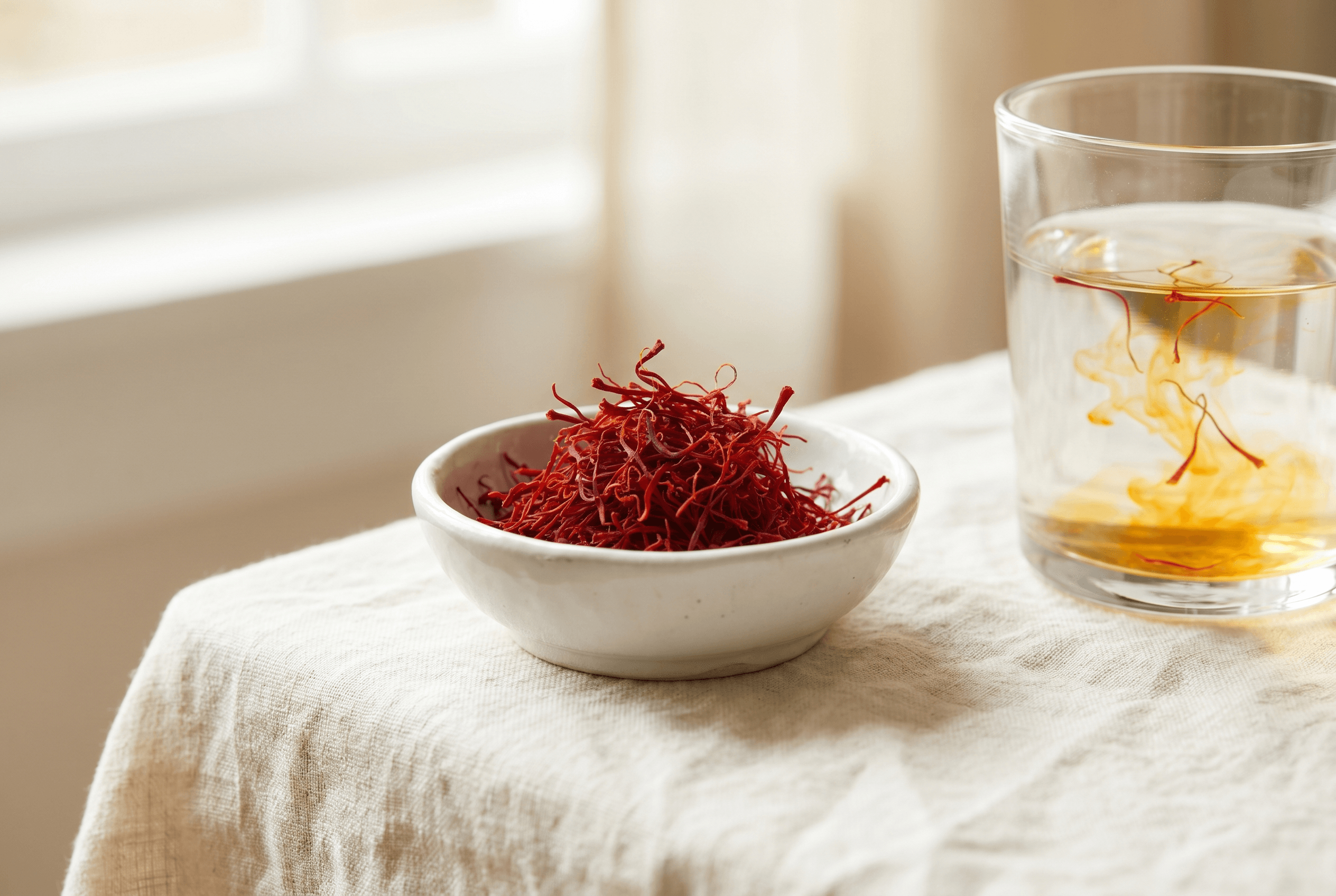
A cup of milk takes a small pinch — somewhere around eight to ten threads. Bloomed properly, that is enough to turn the whole cup gold and carry the smell.
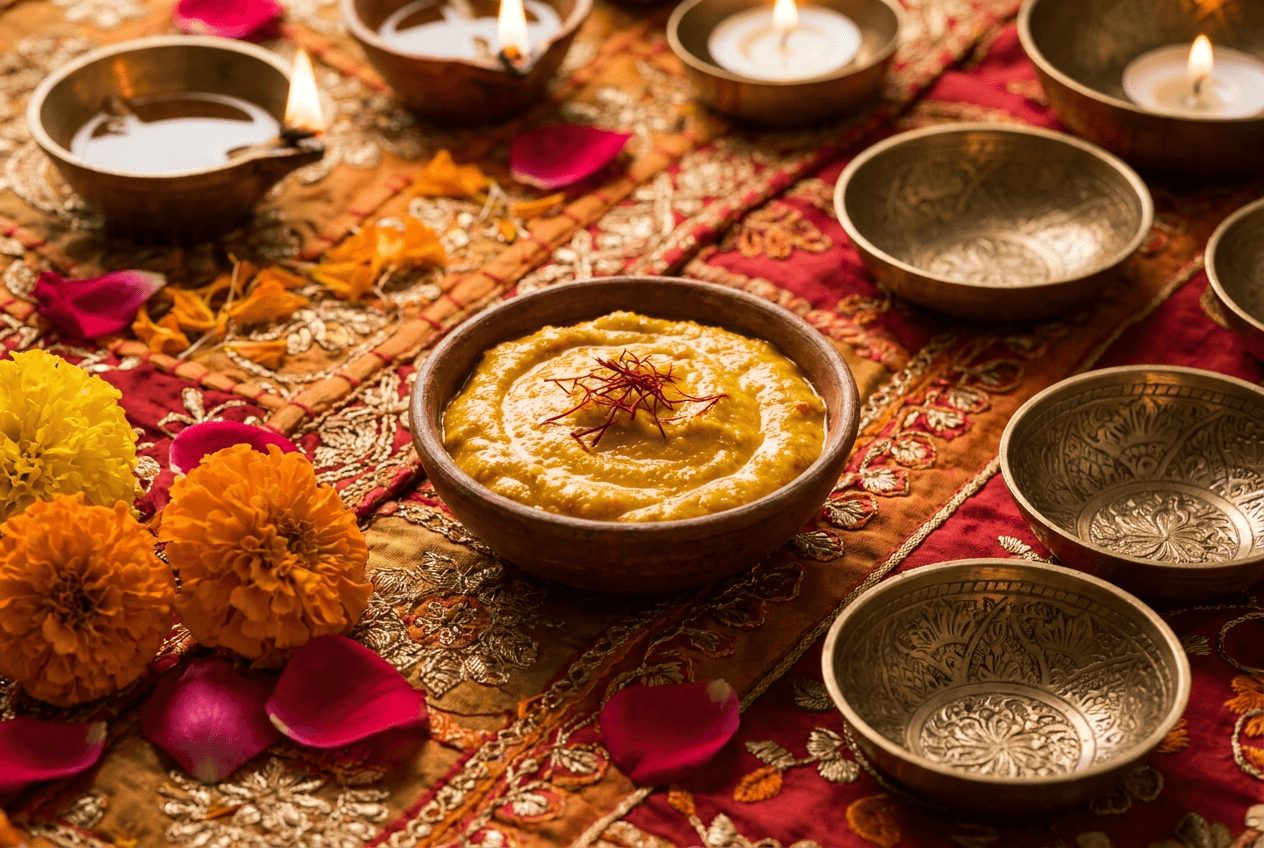
Kheer or payasam for four takes a generous pinch, in the region of fifteen to twenty threads, bloomed in a little warm milk taken from the pot before the rest goes on to cook.
Pulao or biryani for four takes a similar quantity, bloomed and stirred through at the end rather than cooked from the start.
A kadhai of halwa or a tray of sweets takes slightly more, but not dramatically. Saffron does not scale linearly with volume, because what you are adding is aroma, and aroma fills a dish rather than being distributed through it by weight.
Those are starting points, not rules. Threads vary in size, and a pinch from one pair of fingers is not a pinch from another.
Two things matter more than the number.
The first is blooming. Dry threads thrown straight into a pot give you a fraction of what they hold. Saffron needs to sit in a warm liquid — milk or water, both work, warm rather than boiling — for ten to twenty minutes, so the colour and aroma move into the liquid, and then the liquid goes into the dish. Skipping this is why people conclude their saffron is weak and use more of it, which compounds the problem.
The second is when. Saffron's aroma is volatile, which is the technical way of saying it leaves. Add bloomed saffron near the end of cooking, or stir it through at the finish. Boiling it hard for half an hour drives off the part you paid for and leaves colour behind, at which point you have bought an expensive dye.
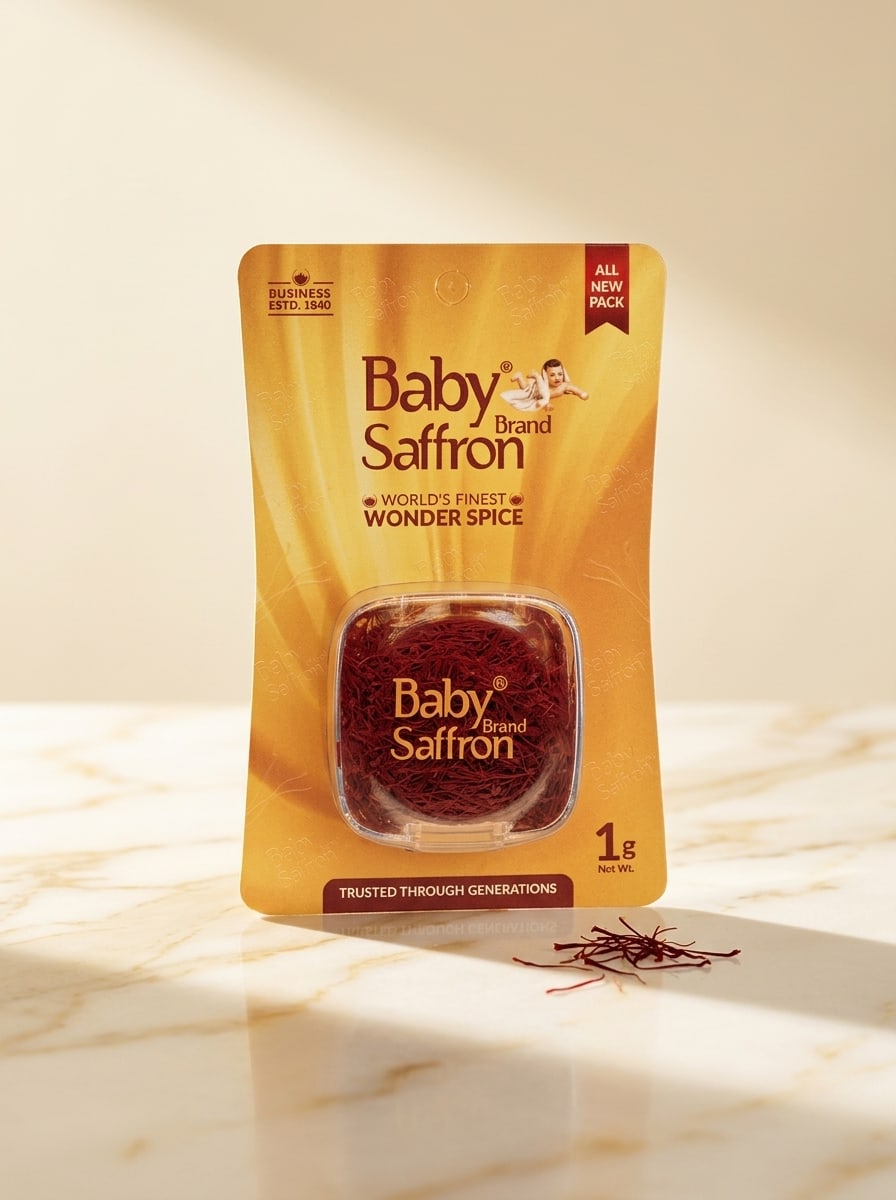
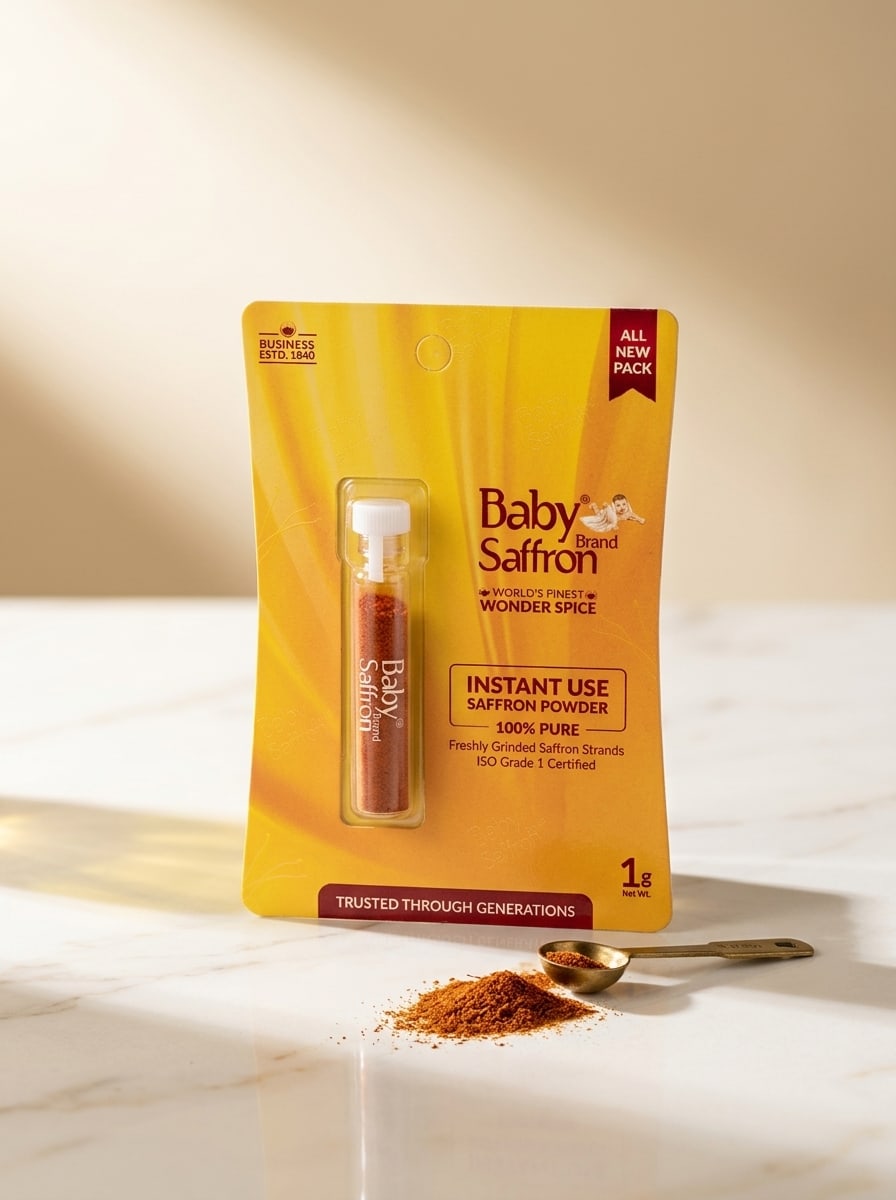
A note on arithmetic, since people ask. There is no single reliable number of threads in a gram — it depends on their length and weight — but a gram is a great deal more saffron than most households imagine. For a family making saffron milk a few times a week and the occasional sweet dish, a gram is not an evening's cooking. It lasts.
Which is the quiet argument for buying good saffron rather than a lot of it. If the quantity per dish is this small, the difference in cost between excellent and mediocre, measured per serving, is almost nothing — while the difference in what reaches the table is the whole point.