In the days before a wedding, an Indian home changes its rhythm. There is noise and colour and a hundred small preparations — and somewhere in the middle of it, the most carefully kept jar in the house is brought down: the saffron. It has been waiting for exactly this.
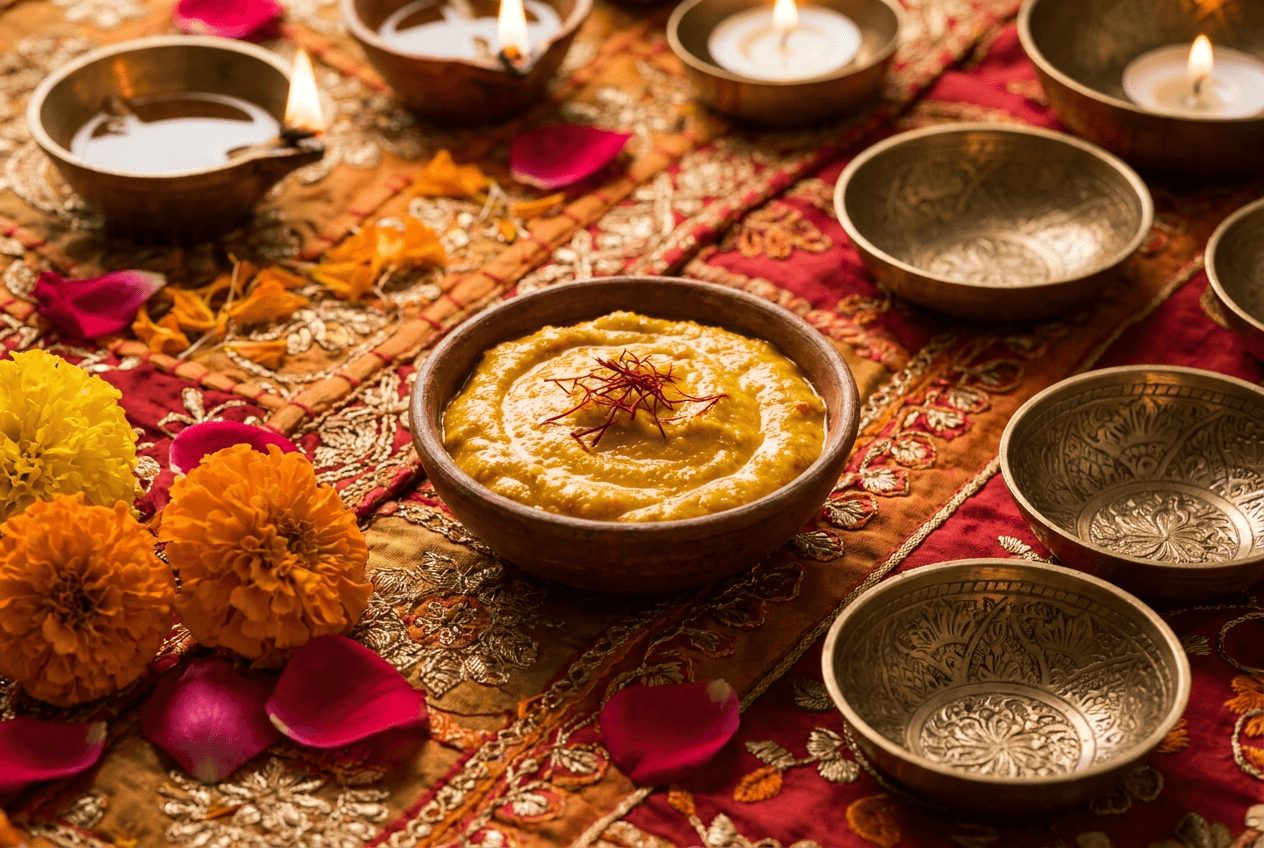
It goes into the ubtan, the golden ceremonial paste that is one of the most beloved rituals of an Indian wedding. The recipe shifts from family to family, but the heart of it is constant: turmeric for its glow and its blessing, sandalwood for coolness and fragrance, milk or cream to nourish, sometimes gram flour to gently cleanse — and saffron, bloomed and stirred through, for radiance. Friends and family gather to apply it, laughing, teasing, smearing it on with affection, in the days leading up to the ceremony.
On the skin, the ritual is genuinely beautiful: the paste is massaged in and left to work, then rinsed away to reveal the soft, lit-from-within freshness that tradition calls the 'bridal glow.' Turmeric and saffron have long been prized for brightening the complexion, and there is something undeniable about skin that has been cared for, slowly and by loving hands, over several days.
But the ubtan was never only about the skin. Every ingredient carries a wish. Turmeric is auspicious and protective. Saffron — rare, golden, precious — is a wish for warmth, prosperity and good fortune in the marriage ahead, pressed gently into the bride in the form of colour and fragrance. It is a blessing you can see and smell, a way of sending someone into a new life wrapped in the family's hopes for her.
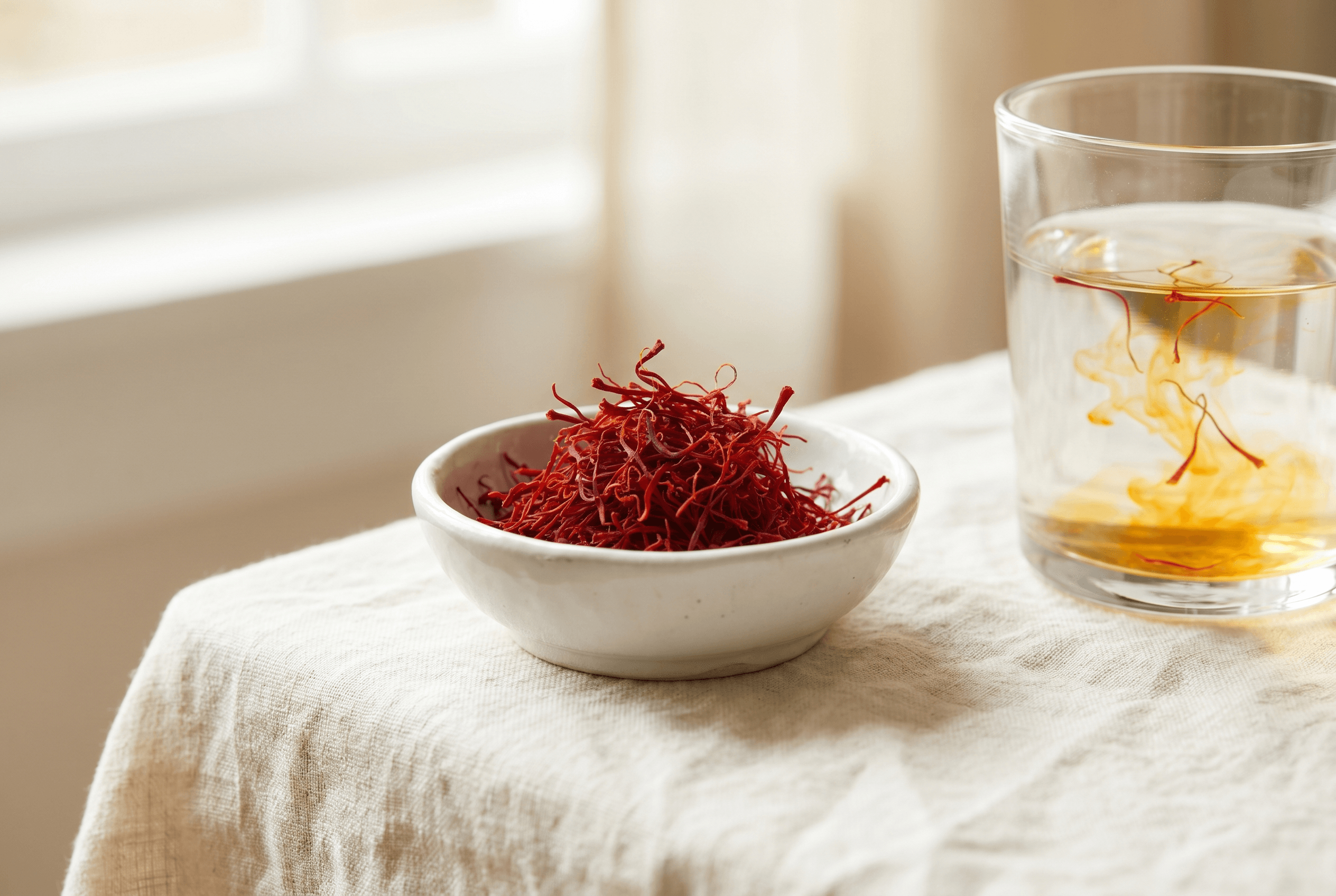
Which is why, for a ritual this meaningful, only the real thing belongs. Pale or dyed saffron gives neither the glow nor the symbolism — it is a hollow gesture in a moment meant to be full. Deep-red, true kesar carries both the radiance and the wish.
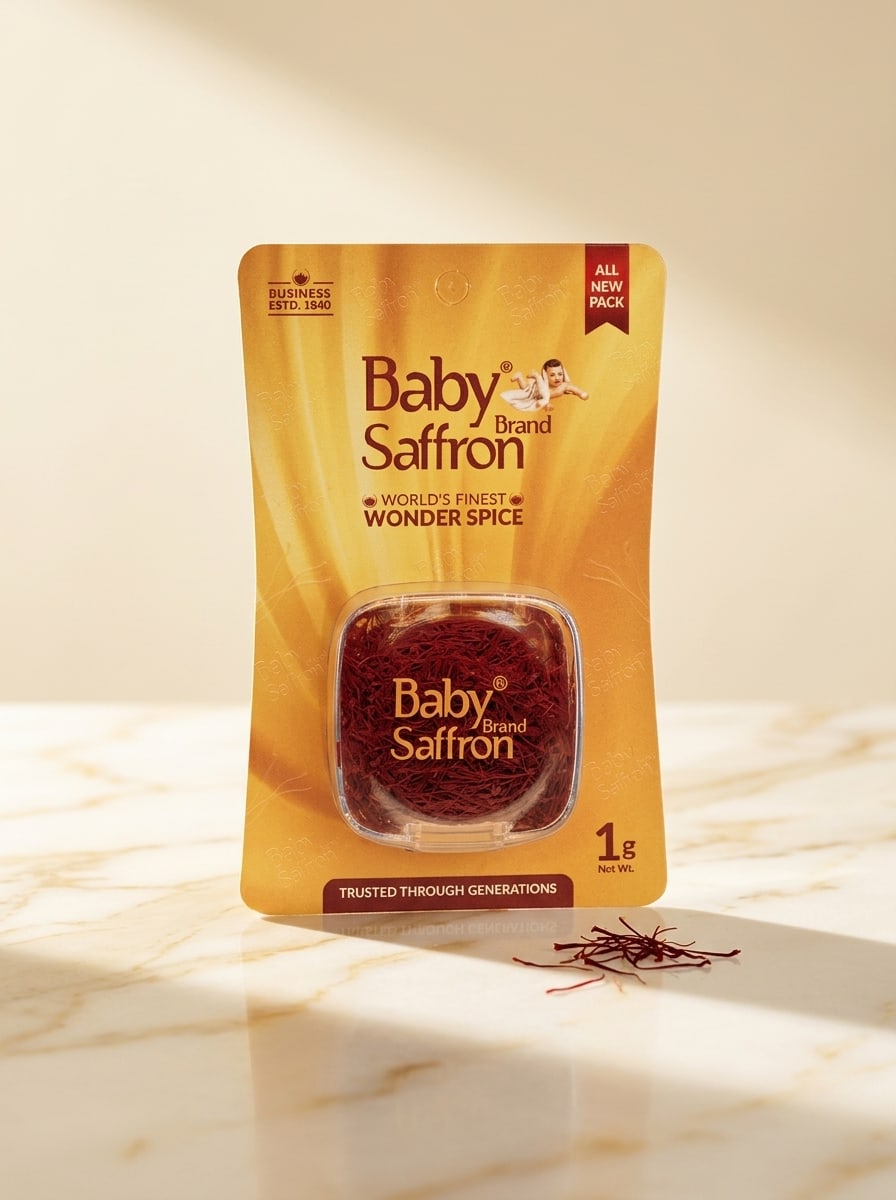
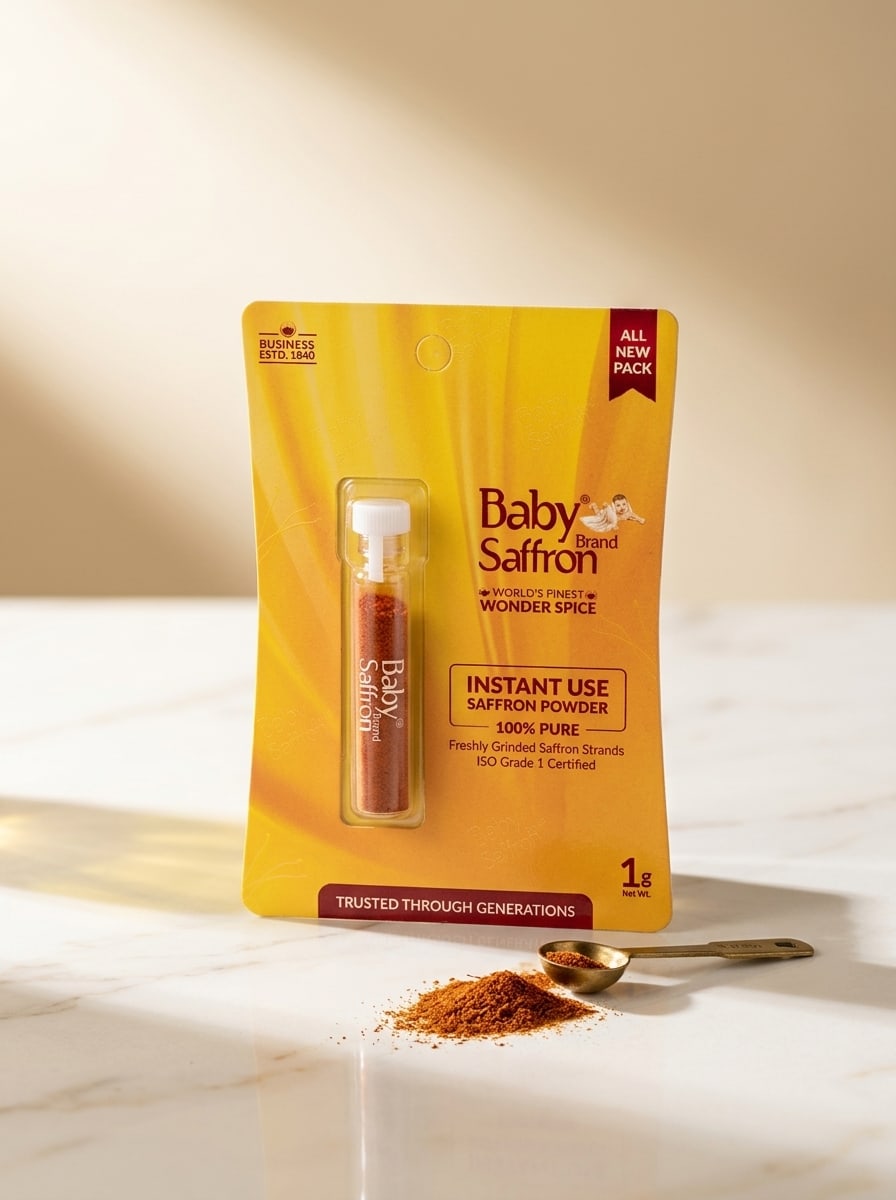
There is a lovely continuity in it, too. The same saffron that warmed a glass of milk through her childhood now lights her skin on the morning of her wedding — and, very often, a small sachet of it travels with her, tucked into the trousseau, ready to make the first kheer in a brand-new kitchen. From cradle to threshold, the same red thread, carrying the same quiet wish: be well, be warm, be radiant.