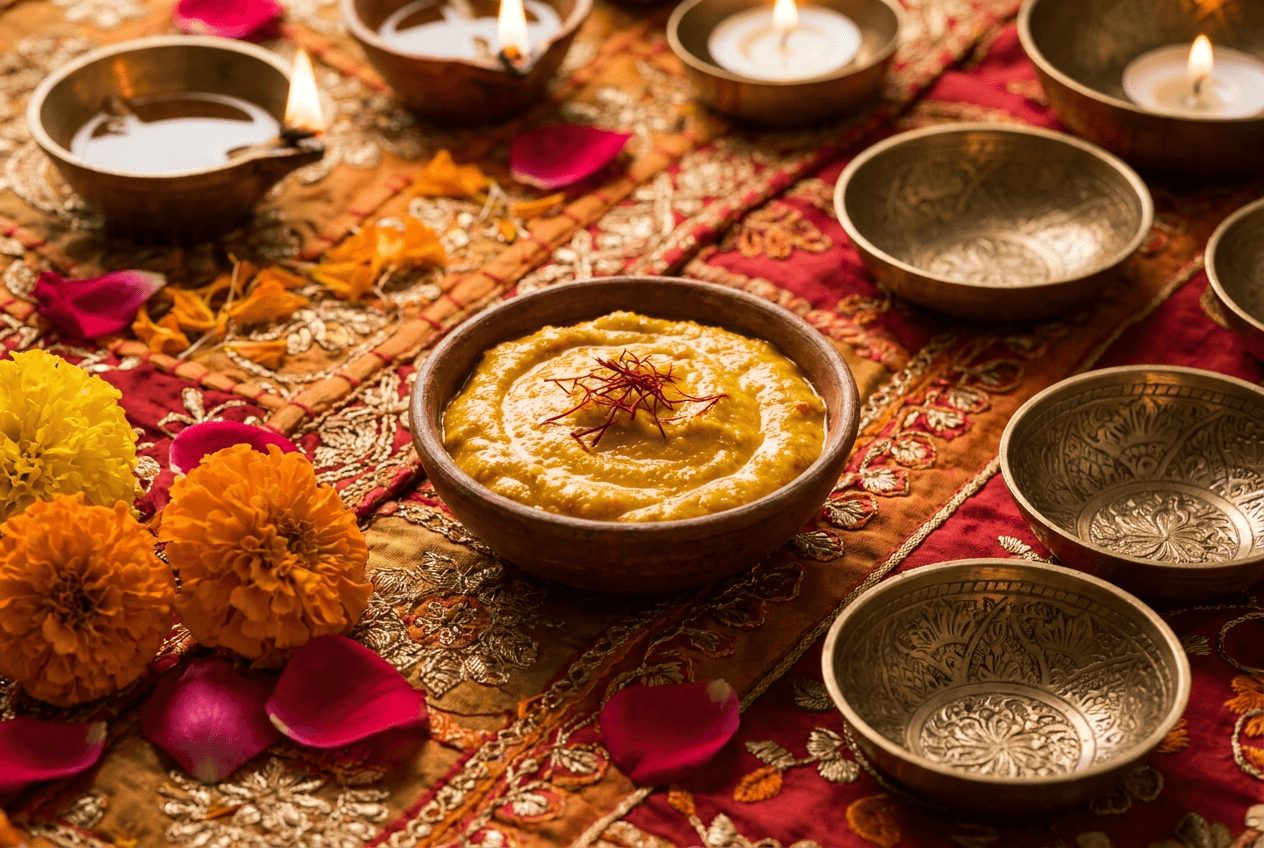
There is a quiet thread that runs through Indian tradition: at the moments that ask the most of a woman's body, saffron is never far away. It is folded into the food of a new mother, blended into the ubtan of a bride, kept for the days that need extra care. What's remarkable is that few ingredients have been studied across so much of a woman's life — and the findings keep echoing that old instinct.
In the monthly rhythm, small clinical studies have linked a modest daily dose of saffron with eased premenstrual symptoms — the mood dips, the irritability, the cramping heaviness that so many simply endure. The same gentle compounds that steady mood appear to take some of the sharpness out of those days.
Through the long transition of perimenopause and menopause — with its hot flushes, restless sleep and emotional weather — saffron has shown up again in the research as a calming, supportive presence. Not a cure, but a steadier hand during a stretch of life that can feel anything but steady.
Perhaps the most moving findings are around the postpartum months. New motherhood is joyful and brutal in equal measure, and low mood after birth is far more common than we admit. In one controlled study, new mothers taking saffron improved meaningfully more often than those given a placebo. It is hard not to read that and think of every grandmother who, without a single study to cite, made sure there was kesar in the kitchen when a baby arrived.
The through-line, again, is crocin and safranal — saffron's mood- and rest-supporting compounds — working quietly across very different chapters. And the dose stays the same small, sensible pinch a day; potency, not quantity, is the point.
Two honest notes, because women's health deserves care rather than hype. None of this is a substitute for a doctor — and that is especially true in pregnancy, around fertility, or whenever symptoms are heavy, where saffron amounts and suitability should be discussed with a professional rather than guessed at. Treat these as research-informed reasons to enjoy a daily ritual, not as treatment.
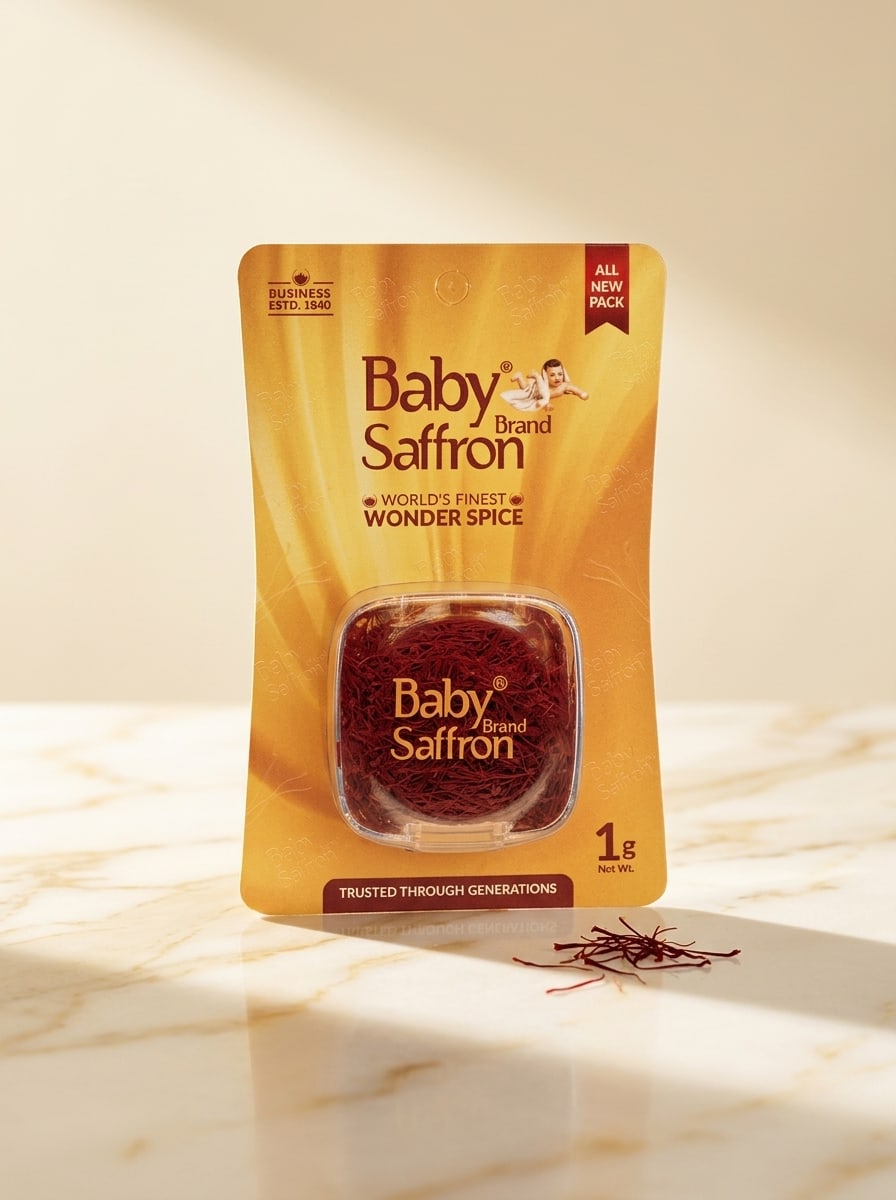
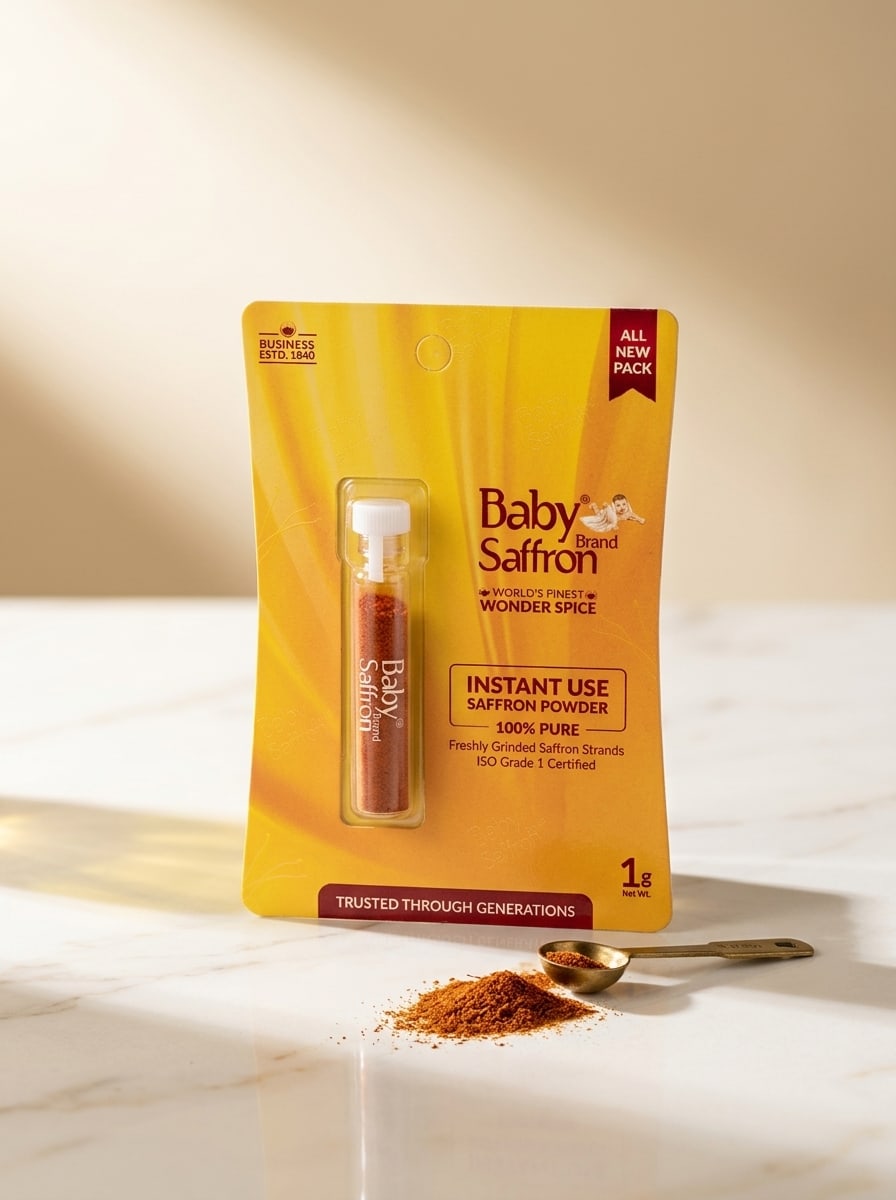
What endures is the symmetry. Indian tradition long ago wrote saffron into the care of brides and new mothers; science is, gently and a little belatedly, arriving at the same place. The wisdom was there all along — the kind passed down a kitchen, not a textbook. We're simply proud to pack the pure, deep-red kesar that lets a woman keep that wisdom close.