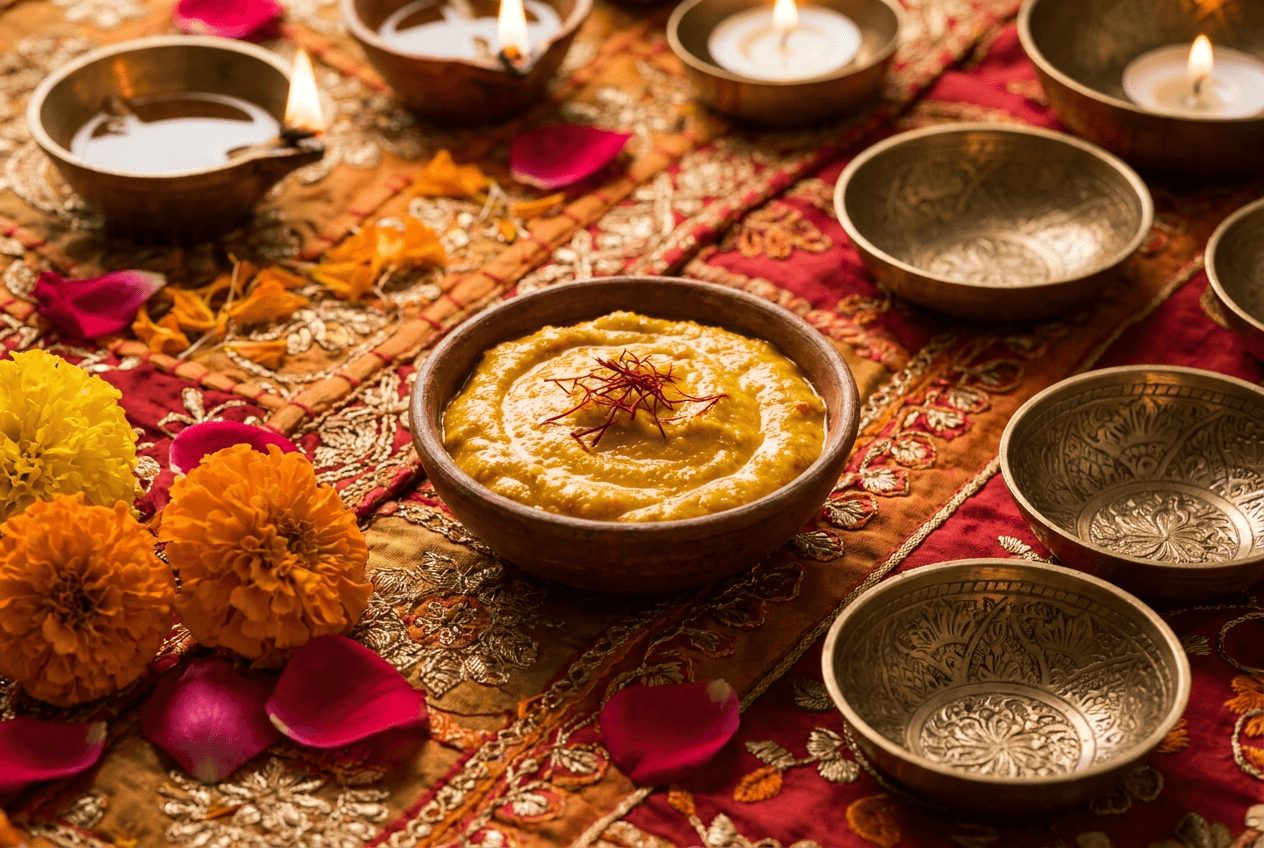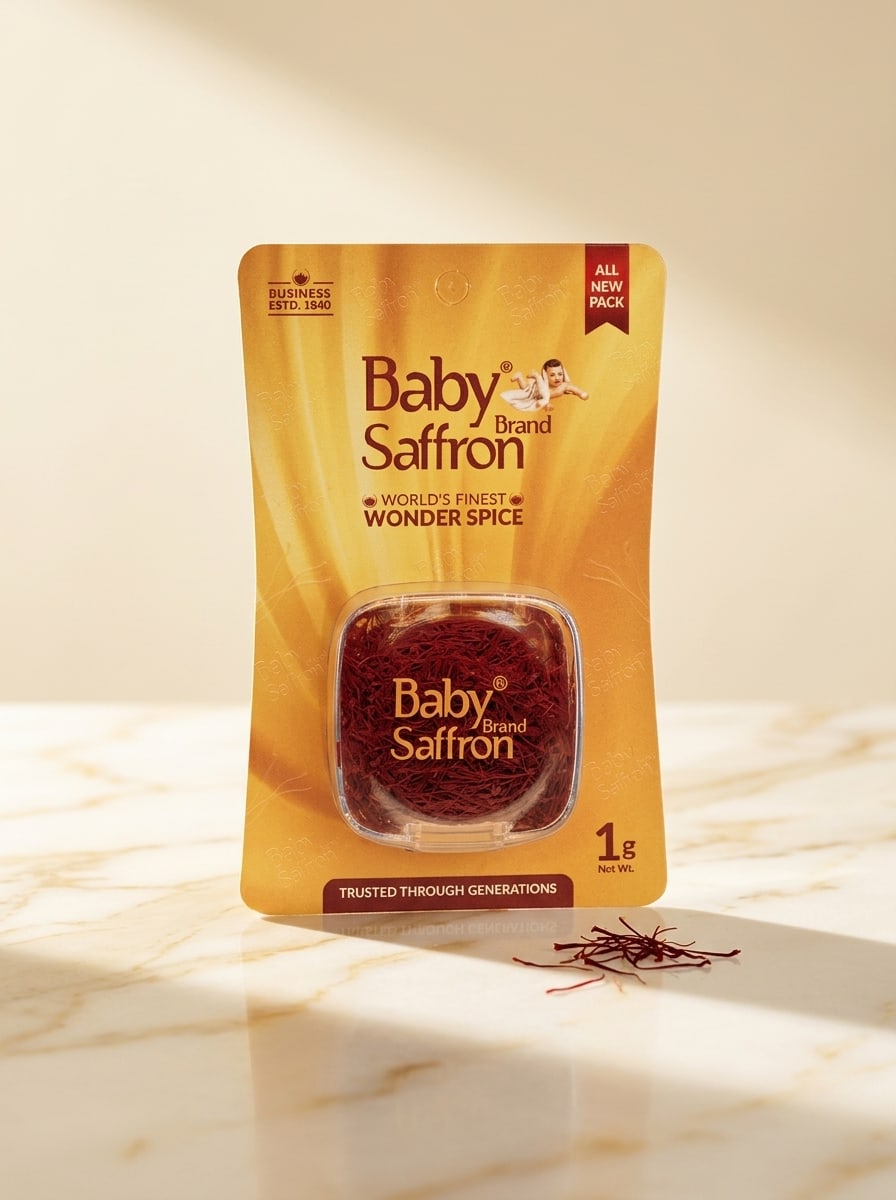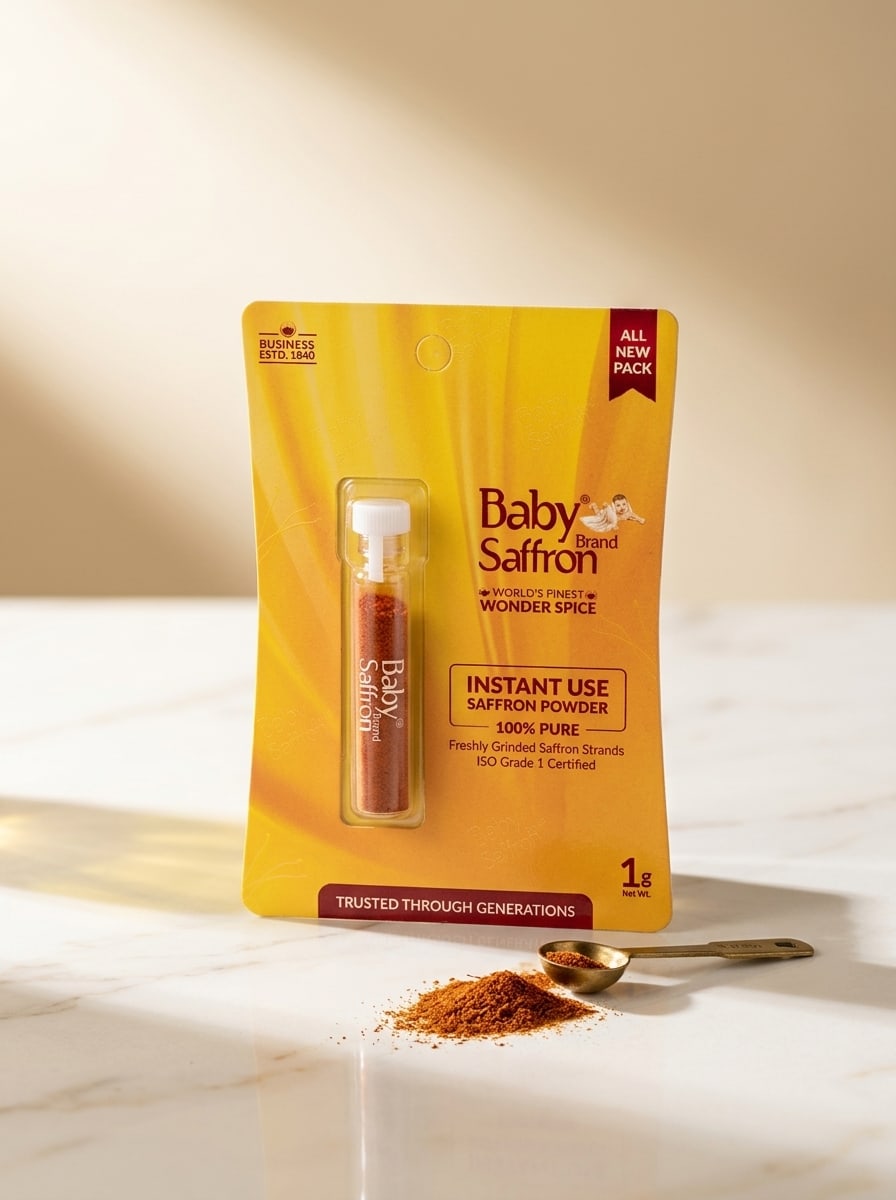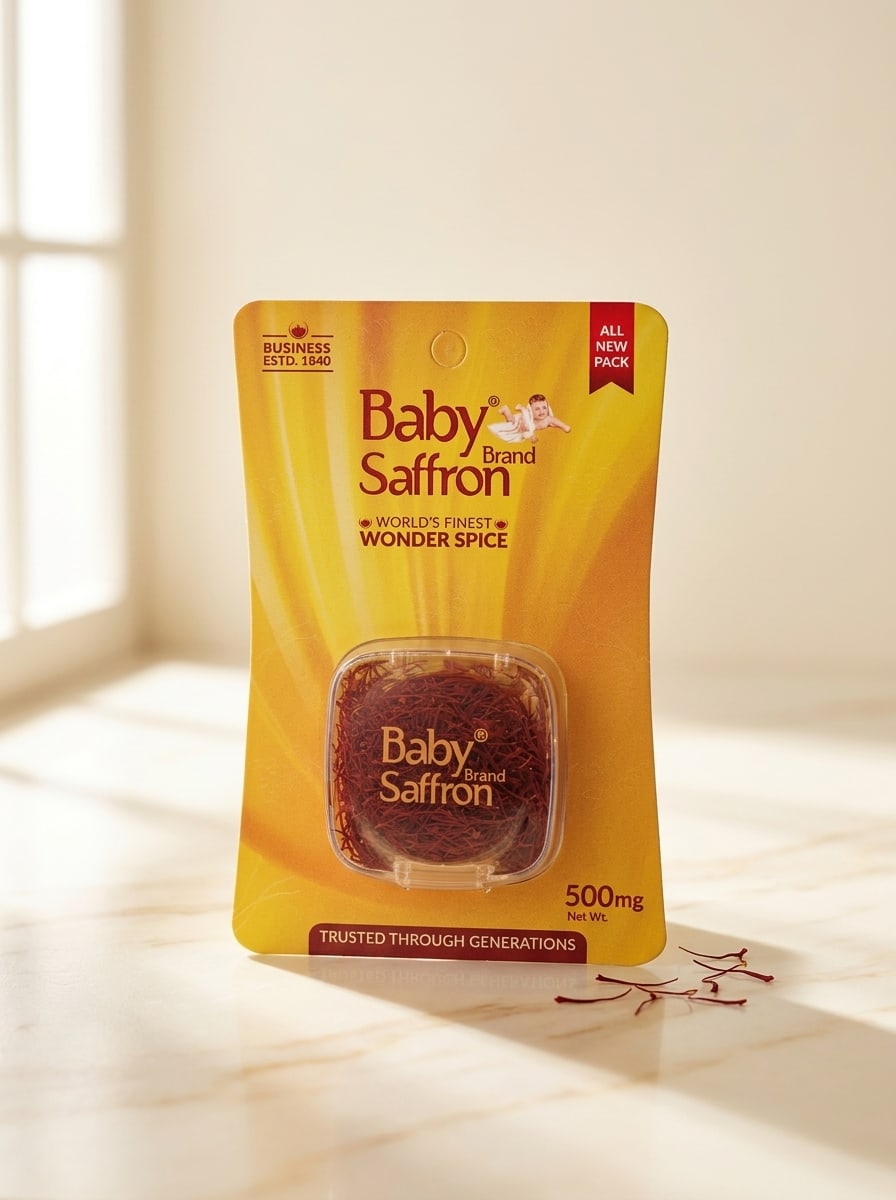
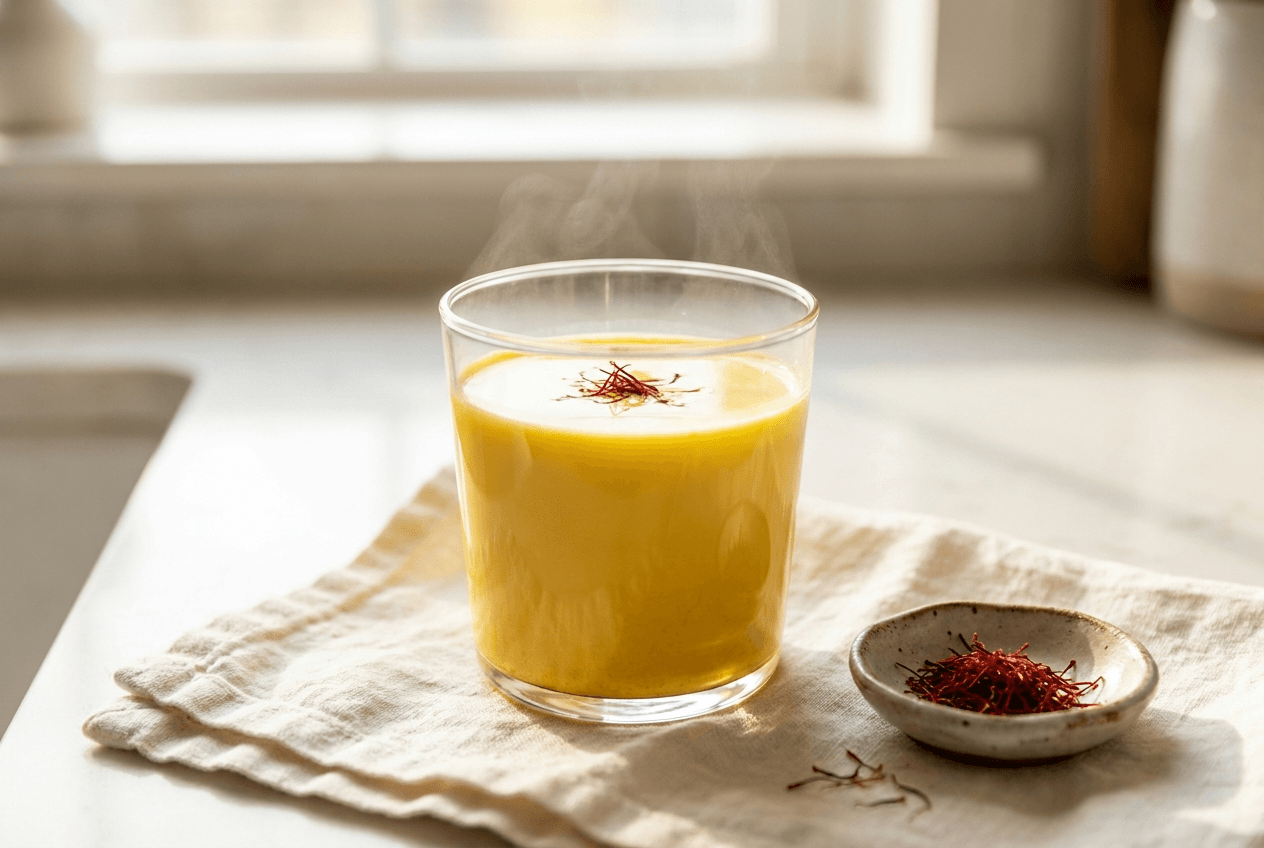
A few strands. Two tablespoons of warm milk. Ten minutes. That is the entire ritual — and almost everyone gets one part of it wrong.
Why the soak matters
Saffron's colour and flavour live in compounds that need time and gentle warmth to leave the thread. Crocin carries the colour. Picrocrocin and safranal carry the taste and the aroma. All three release slowly into a warm liquid, and all three are damaged by a hard boil.
Drop threads straight into a pan of boiling milk and you get a fraction of what you paid for: some colour, little aroma, and a faint bitterness where the sweetness should be. Soak them first and the same pinch gives you a deeper gold, a rounder flavour, and a scent you notice before the glass reaches you.
The method
Warm two tablespoons of milk until it is hot to the fingertip but nowhere near boiling. Add a pinch of threads — six to eight is plenty for a glass. Cover it and leave it for ten minutes.
You will see the liquid turn from clear to deep amber. When it does, crush the softened threads against the side of the cup with the back of a spoon; they give up the last of their colour once they have swelled. Stir that concentrate into your full glass of warm milk and sweeten lightly.
Cardamom, a few strands of almond, or a small piece of nutmeg all belong here. Sugar is optional; honey is better added once the milk has cooled slightly.
How much saffron is actually enough
Less than most people use. Six to eight threads for a glass, ten to twelve for a pot serving three or four. Saffron is one of the few ingredients where more genuinely makes the result worse — past a certain point the flavour turns medicinal and the sweetness disappears.
If a pinch is not colouring your milk, the answer is almost never "add more". It is either that the soak was too short, the milk was too hot, or the saffron is not what it claims to be.
The mistakes worth avoiding
**Boiling the threads.** The most common one, and the most expensive. Heat past a gentle warmth strips the aroma.
**Skipping the soak.** Threads dropped into a full glass will colour the milk eventually, but they never fully give up their flavour.
**Using water when milk is the point.** Water works for a colour test. For kesar doodh, the fat in milk carries the aroma compounds better, which is precisely why the drink exists in this form.
**Storing it badly.** Light and air are saffron's enemies. An airtight tin in a dark cupboard keeps threads good for a couple of years; a clear jar on a sunny shelf will fade them in months.
When to drink it
Traditionally, before bed. Warm milk on its own is a sedative of long standing, and saffron has been studied for its effect on sleep and mood — enough that the evening glass is more than sentiment.
But there is nothing wrong with a morning cup either. The ritual is the point: ten quiet minutes, a warm glass, and a spice that has been part of Indian kitchens for centuries doing exactly what it was always meant to do.