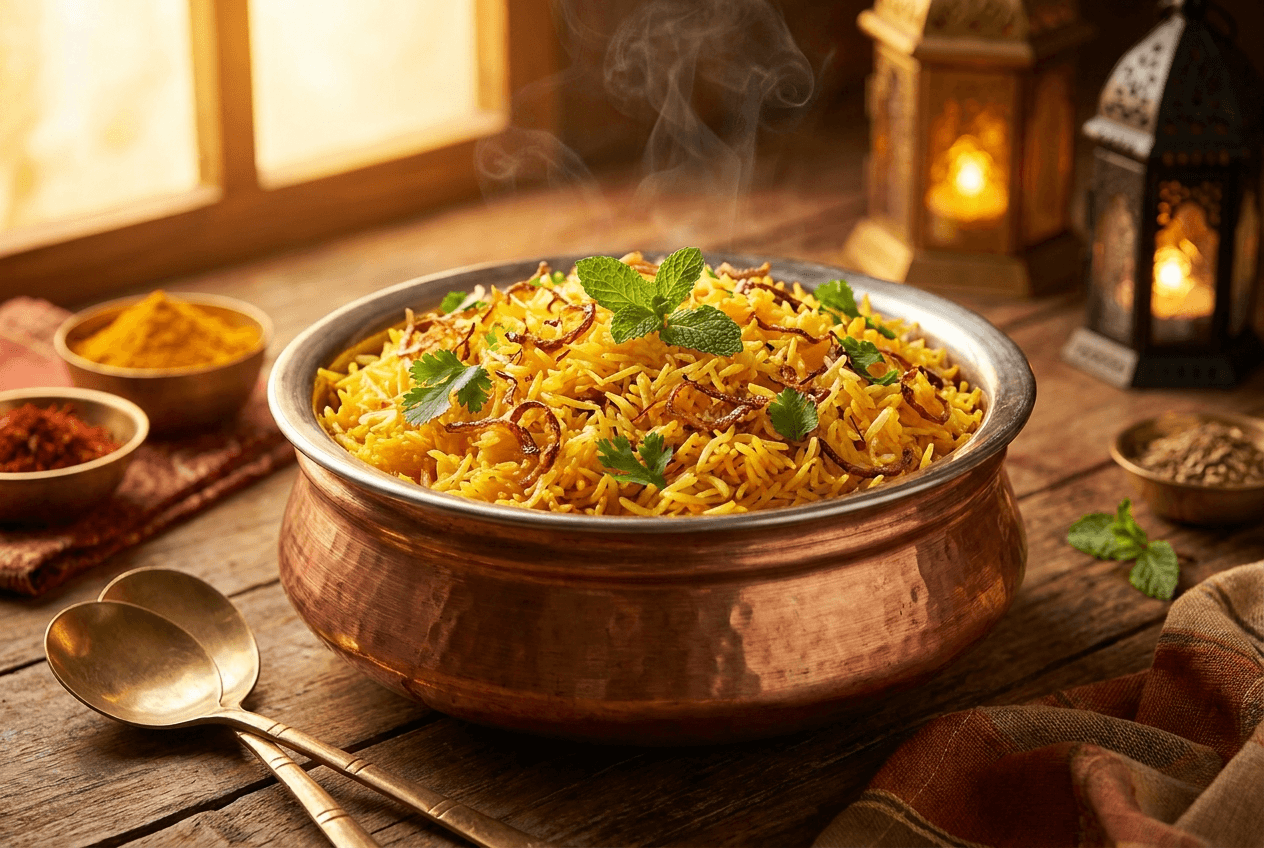
Lift the lid on a great biryani and two things hit you at once: the perfume rising with the steam, and those unmistakable streaks of saffron-gold rice ribboning through the white. That contrast — and the aroma that comes with it — is exactly what separates a good biryani from one people talk about for years.
Saffron's job in biryani is precise. It isn't there to flavour every grain evenly; it's there to gild — to lay bright golden streaks through the rice and to lift the whole pot with its fragrance during the final steam. Get it right and the biryani looks as layered as it tastes.
The method is simple but worth respecting. First, bloom the saffron: warm two to three tablespoons of milk (or water), drop in a good pinch of red threads, and let it steep for ten minutes until it's deep gold and fragrant. A small splash of warm milk gives a rounder colour; water keeps it clean — either works.
Then comes the layering. With the meat or vegetable masala in the base and the rice par-cooked to about seventy percent, build your layers and, just before sealing the pot, drizzle the bloomed saffron unevenly over the top layer of rice. Uneven is the point — you want pools of gold, not a flat wash. Scatter fried onions, a little ghee, mint and coriander, then seal the lid (a ring of dough, the classic dum, works beautifully) and let it steam on a low flame. As the pot seals and the steam circulates, the saffron perfumes its way down through the grains.
When you open it and gently fold the rice from the bottom up, those streaks marble through — some grains kissed gold and fragrant, others plain, every forkful a little different. That variation is what makes biryani feel handmade rather than uniform.
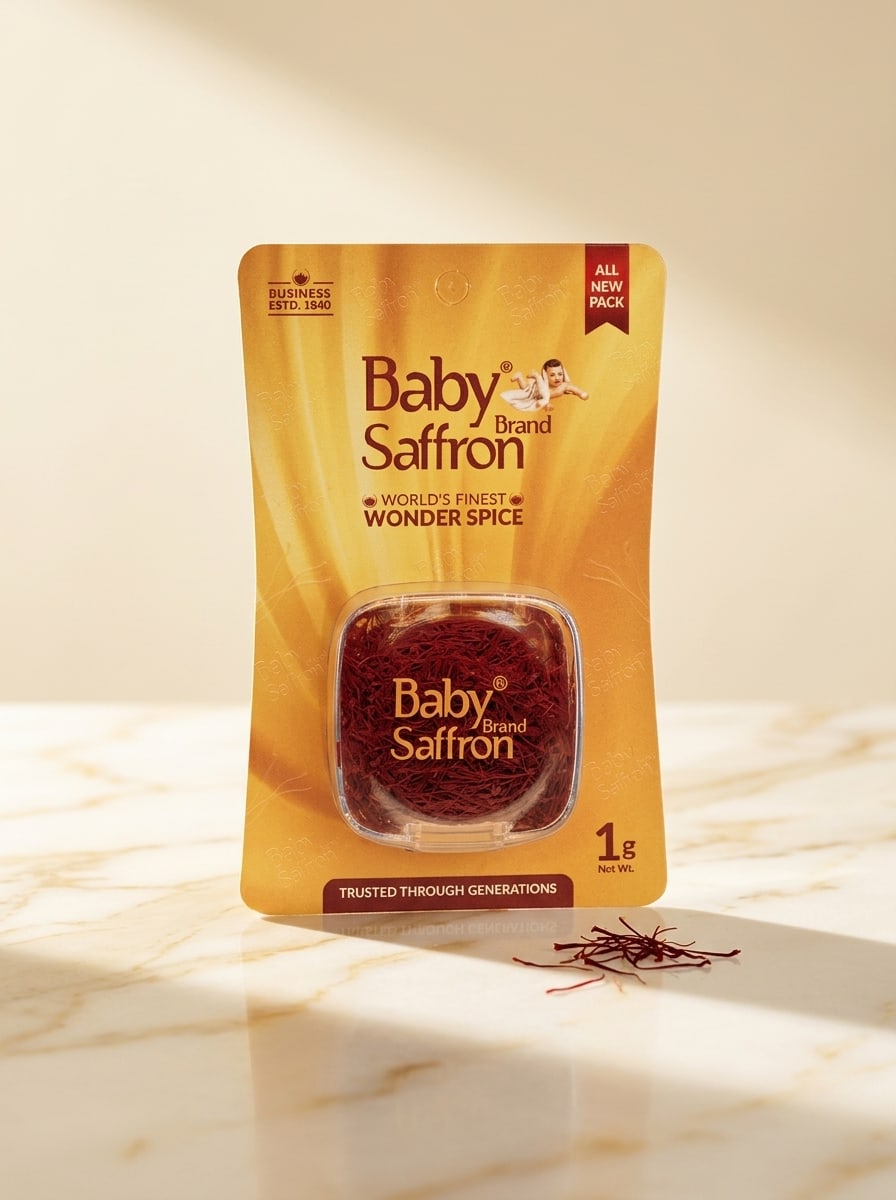
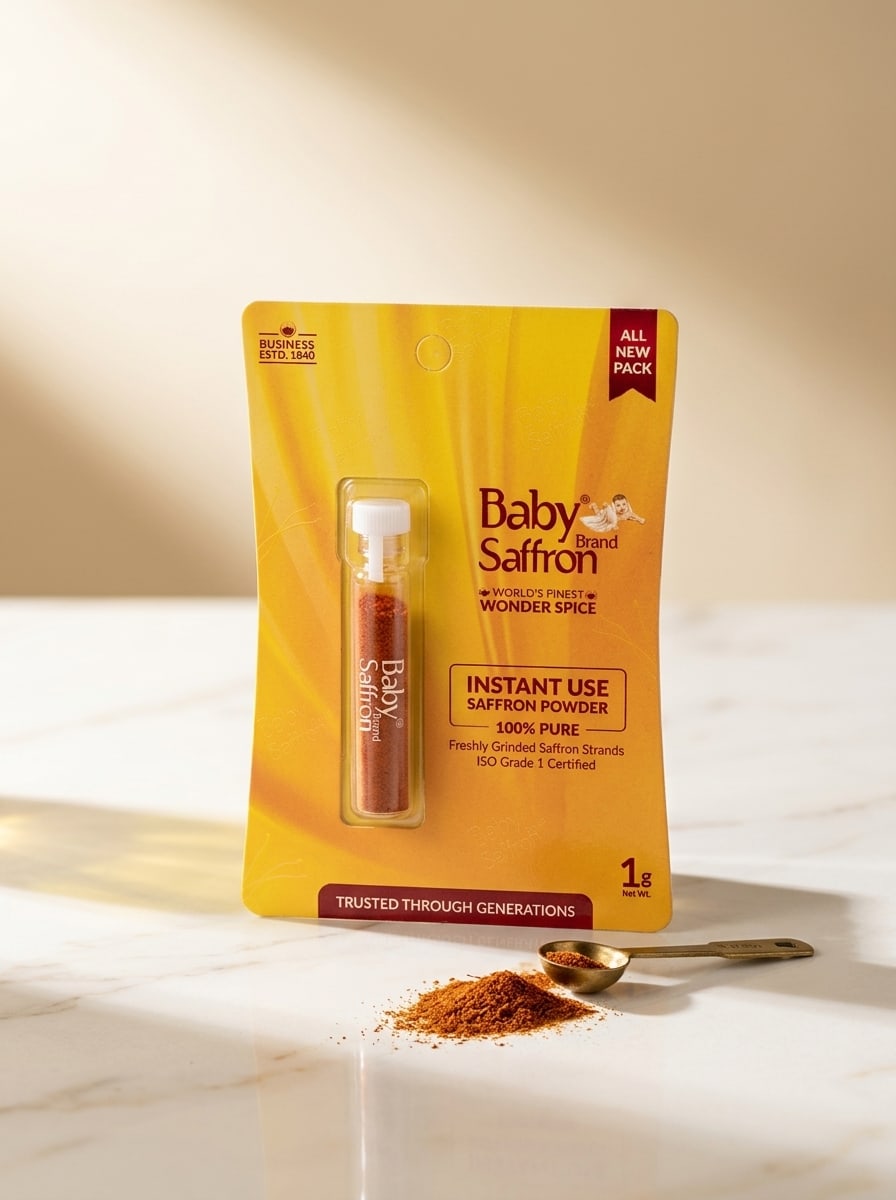
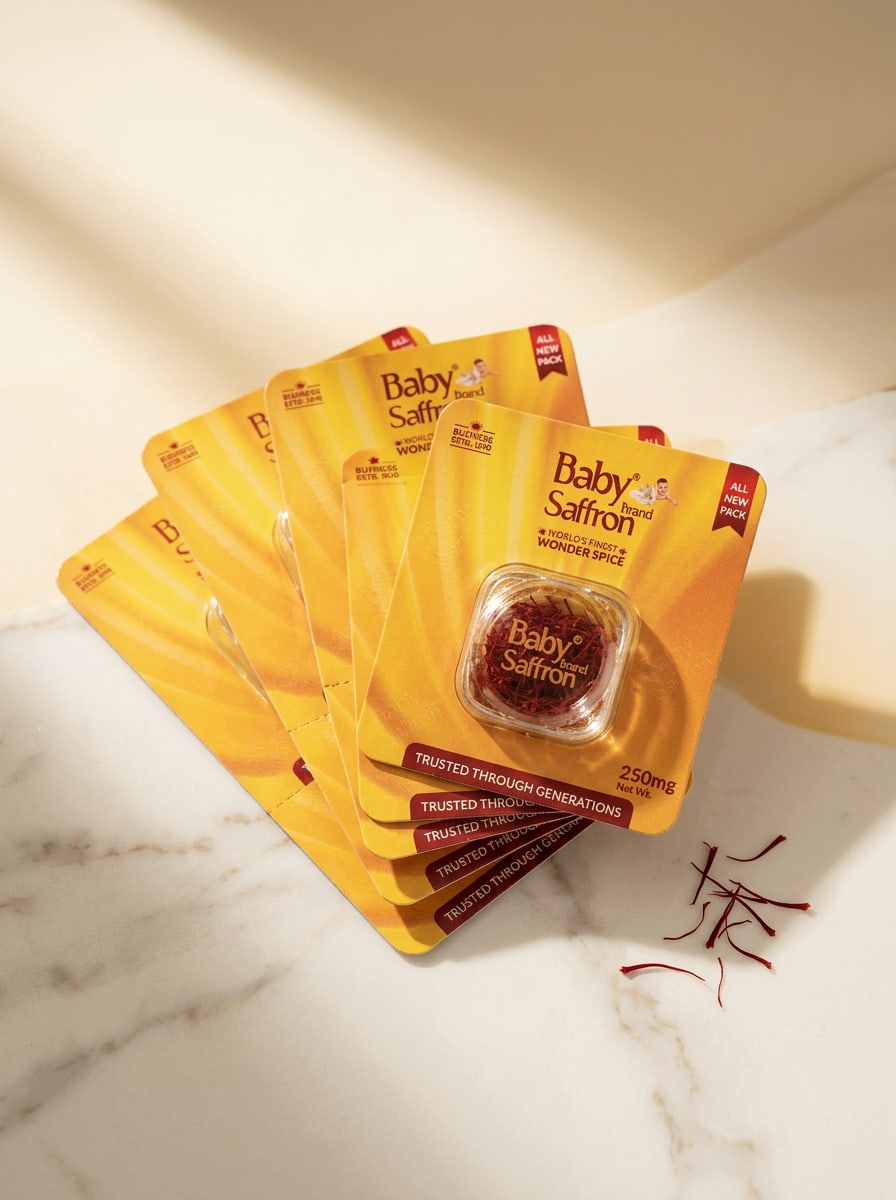
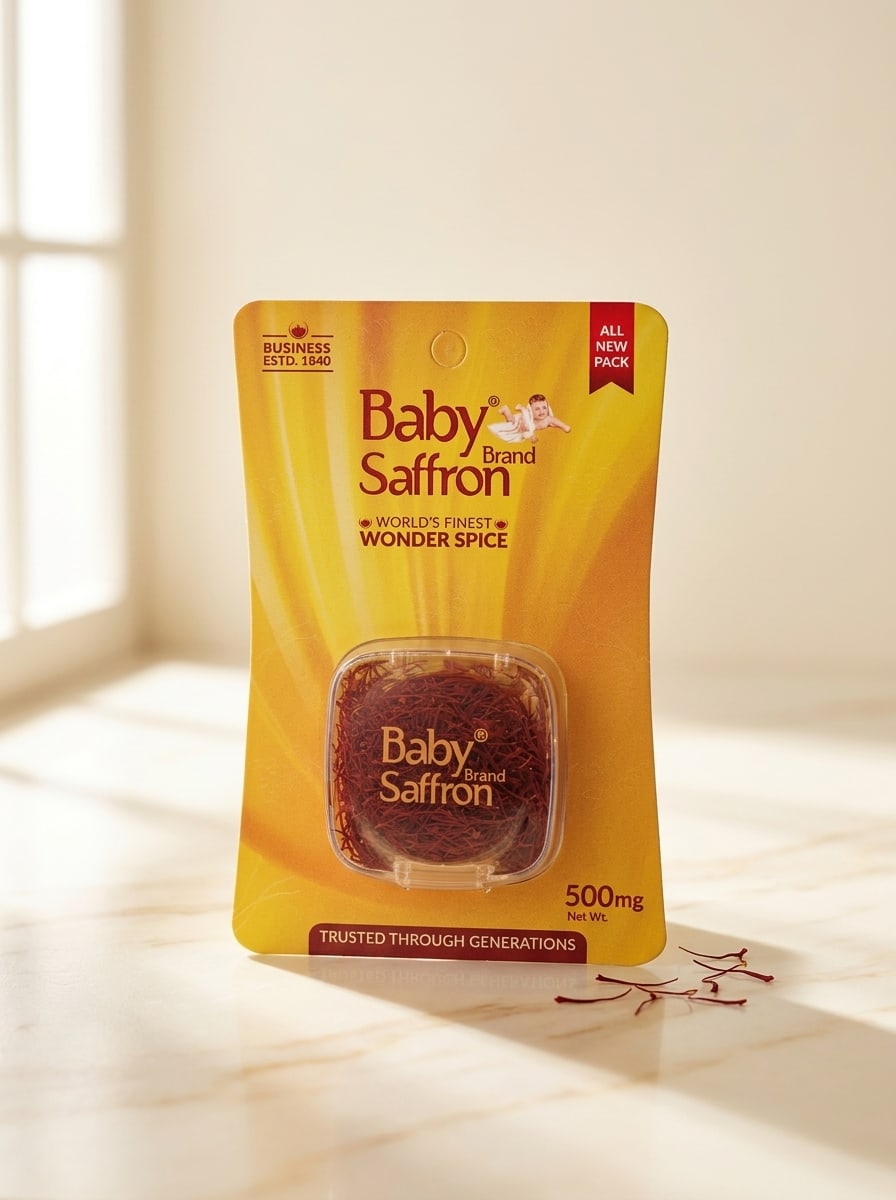
One tip that matters most here: use pure, high-strength kesar, and you'll need only a little. Deep-red threads carry far more colour and fragrance than their size suggests, so a small pinch, properly bloomed, gilds an entire pot — while cheap, dyed saffron simply stains the rice a flat orange and adds no scent at all. In a dish this celebrated, the saffron is not a garnish. It is the golden touch the whole thing is named for.