"Grade 1" appears on an enormous amount of saffron, and on a good deal of it the phrase is doing no work at all. It is worth knowing what the real standard measures, because once you do, a label either means something specific or it visibly means nothing.
ISO 3632 is the international standard for saffron. It does not ask a taster for an opinion. It puts a sample through a spectrophotometer — an instrument that shines light through a solution and measures how much is absorbed at particular wavelengths — and reads three numbers. Each corresponds to one of the three things saffron is actually for.
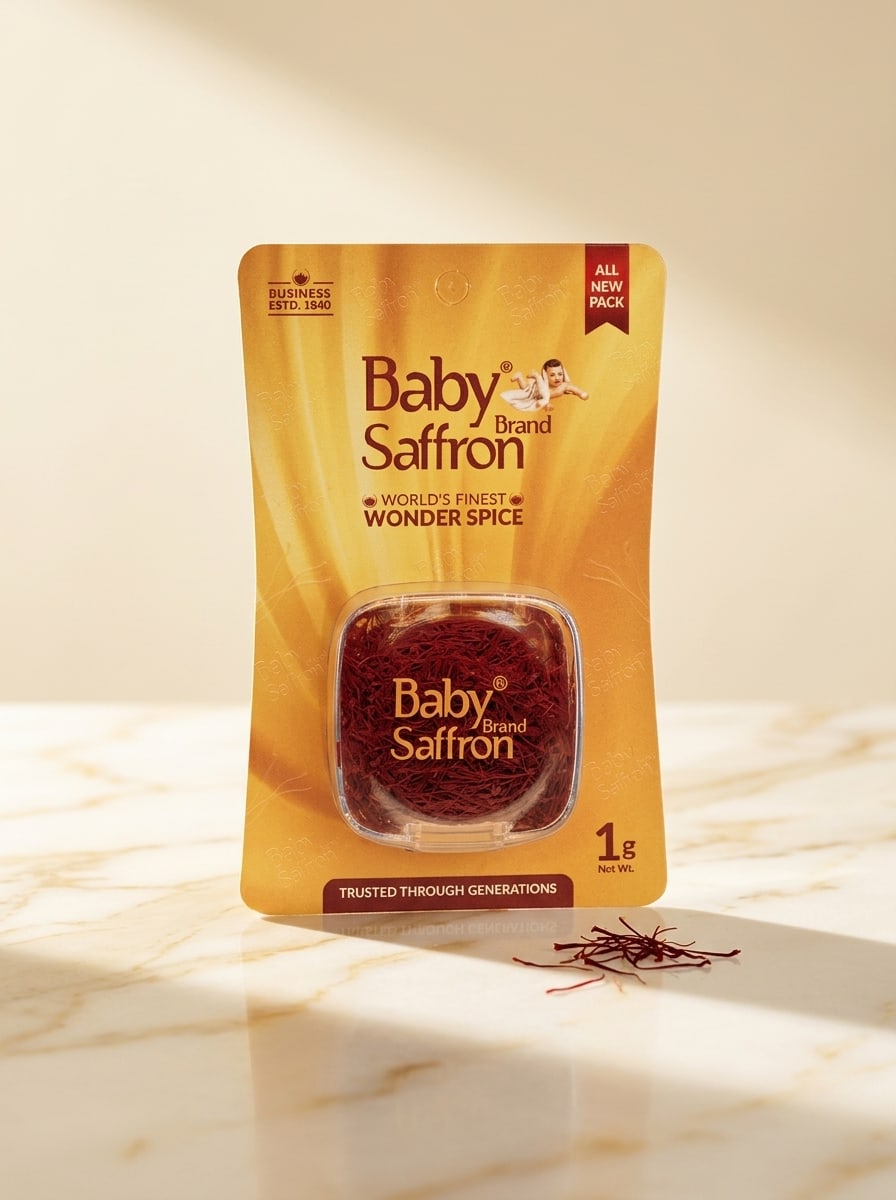
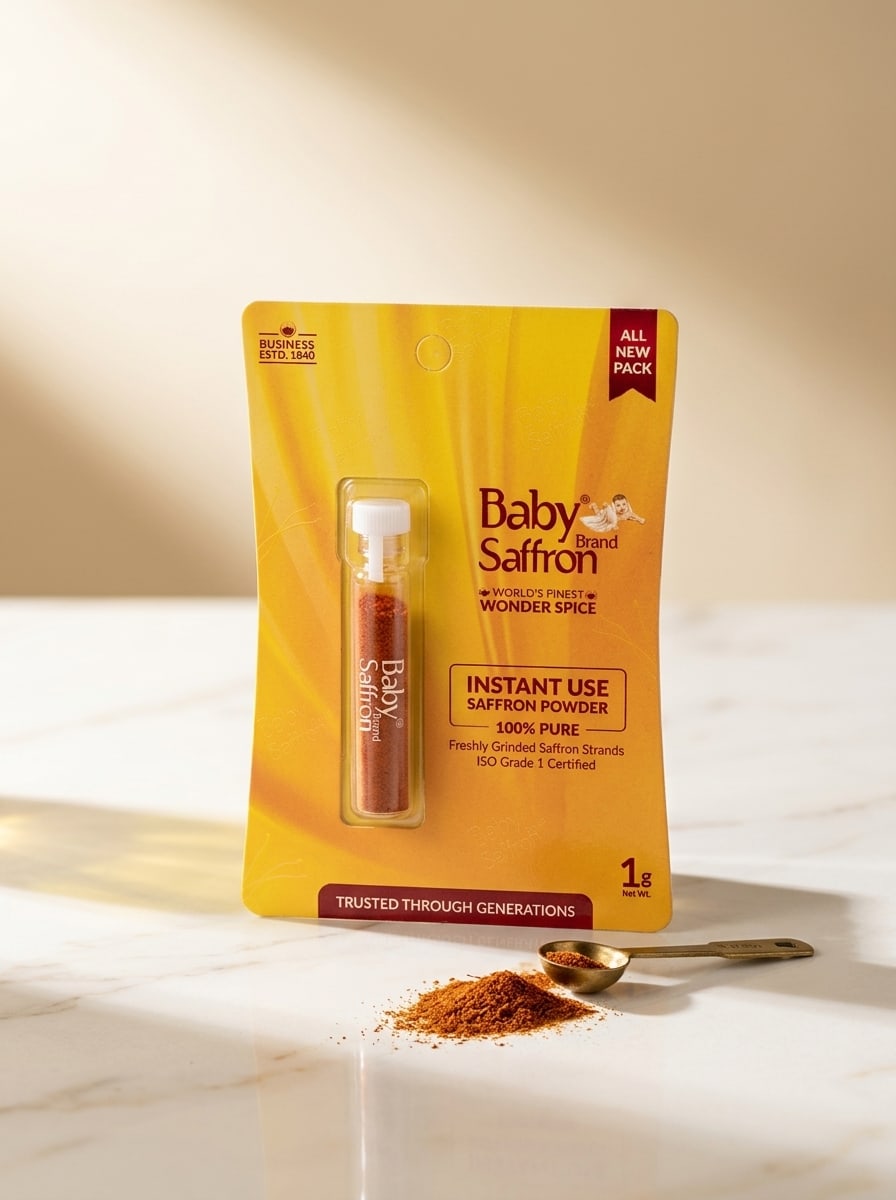
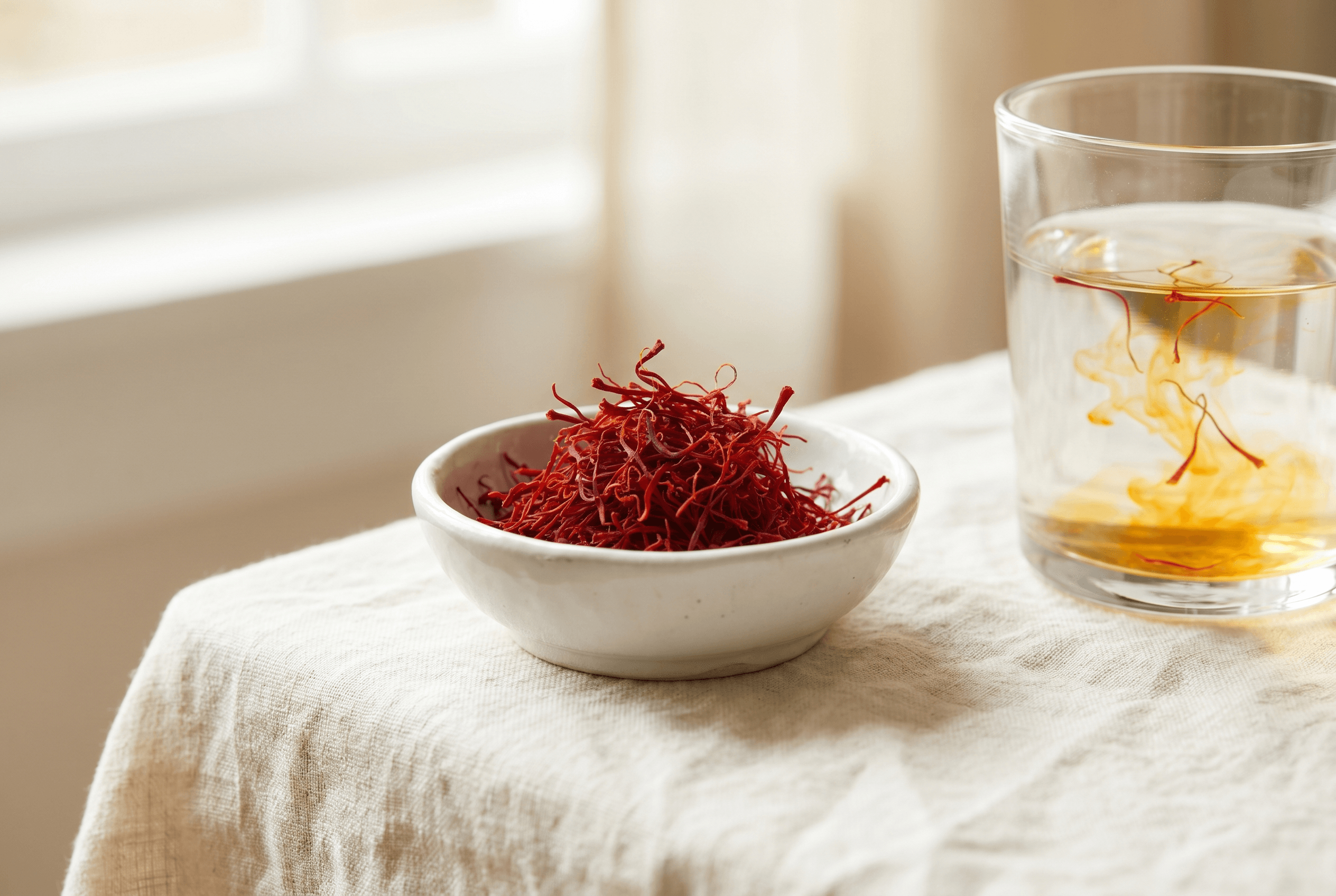
The first is crocin, and it is the colour. Crocin turns milk gold and rice yellow, and its reading is usually called colouring strength. It is the single most useful number on a saffron label. Under the standard, saffron needs a colouring strength of 200 or above to sit in the top category, and anything below 190 is not Grade 1 by any reading of it. A tin that says Grade 1 and declines to print the number is asking to be taken on trust.
The second is picrocrocin, and it is the flavour — specifically the bitterness that gives saffron its backbone and stops it being merely perfumed. This is what makes saffron taste of something rather than only smell of something.
The third is safranal, and it is the aroma. That sweet, hay-like, slightly floral smell that tells you from across a room that somebody has opened a tin of good saffron is safranal, and it is the most fragile of the three. It is also the first to go in badly dried or badly stored saffron, which is why old saffron can still colour a dish while smelling of almost nothing.
Categories run from I down to IV, thresholds falling as you descend. Grade 2 and Grade 3 fall progressively below Grade 1 on these measures. They are not fake saffron — they are real saffron that tests lower, often because of how it was harvested, how much of the pale style was left attached to the red stigma, or how it was dried.
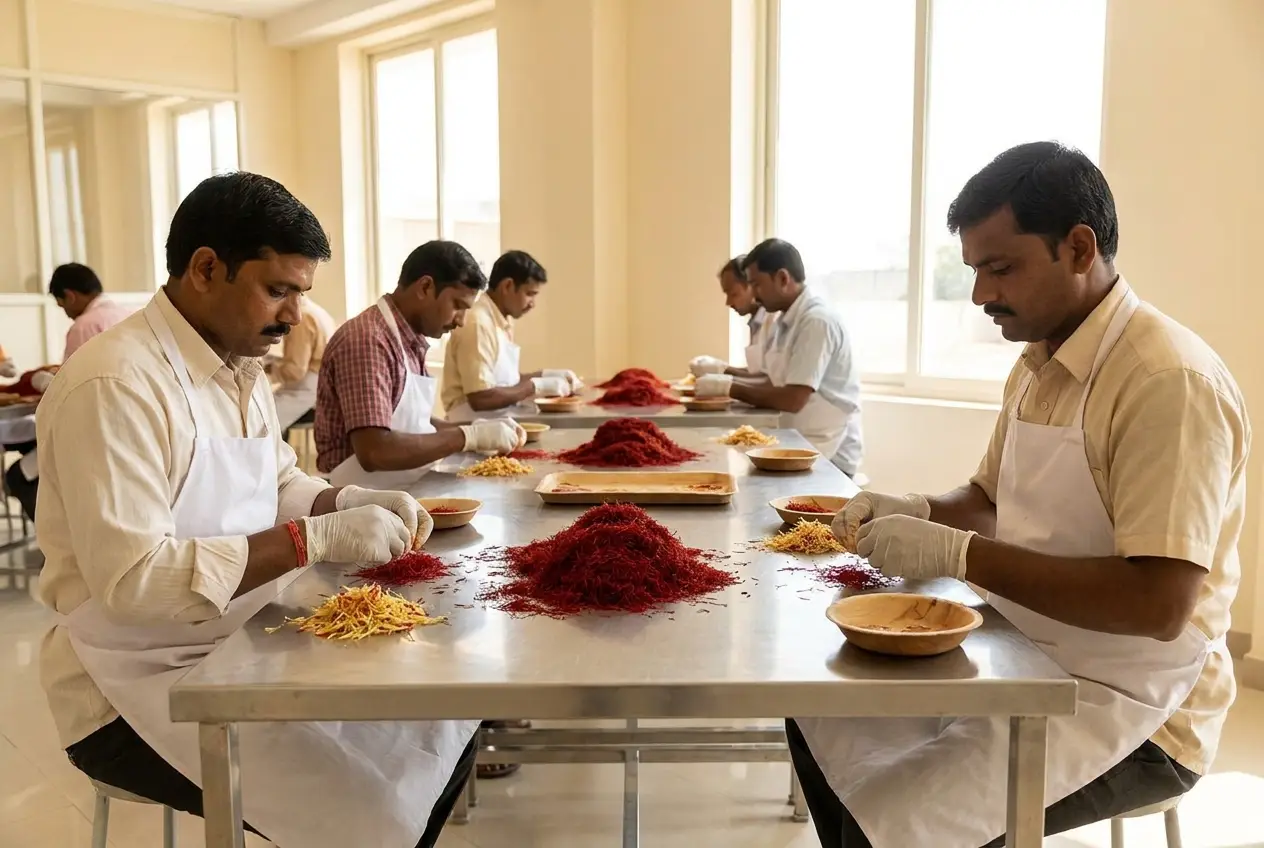
That last point is worth sitting with. A great deal of the difference between grades is not adulteration. It is how much of the flower made it into the tin. The yellow-white style below the red stigma weighs something and contributes almost nothing to colour, flavour or aroma, so saffron cut generously tests lower than saffron cut tight.
Two practical conclusions.
A number beats an adjective. "Premium", "superior", "finest" and "A-grade" have no definition behind them. A colouring strength figure does, and anyone unwilling to print one is telling you something.
And the standard measures composition, not honesty. ISO 3632 grades what is in the tin on these three axes; it is not by itself a guarantee against adulteration, which is why the home checks — the water test, the smell, how a thread behaves between your fingers — still earn their keep.