Saffron does not spoil the way milk spoils. It will not grow anything or make you ill. What it does instead is quietly stop being good — and the colour outlasts the smell, so a tin can look perfectly fine while having lost most of the reason you bought it.
Four things take it: light, air, heat and damp. Worth separating, because the fixes differ.
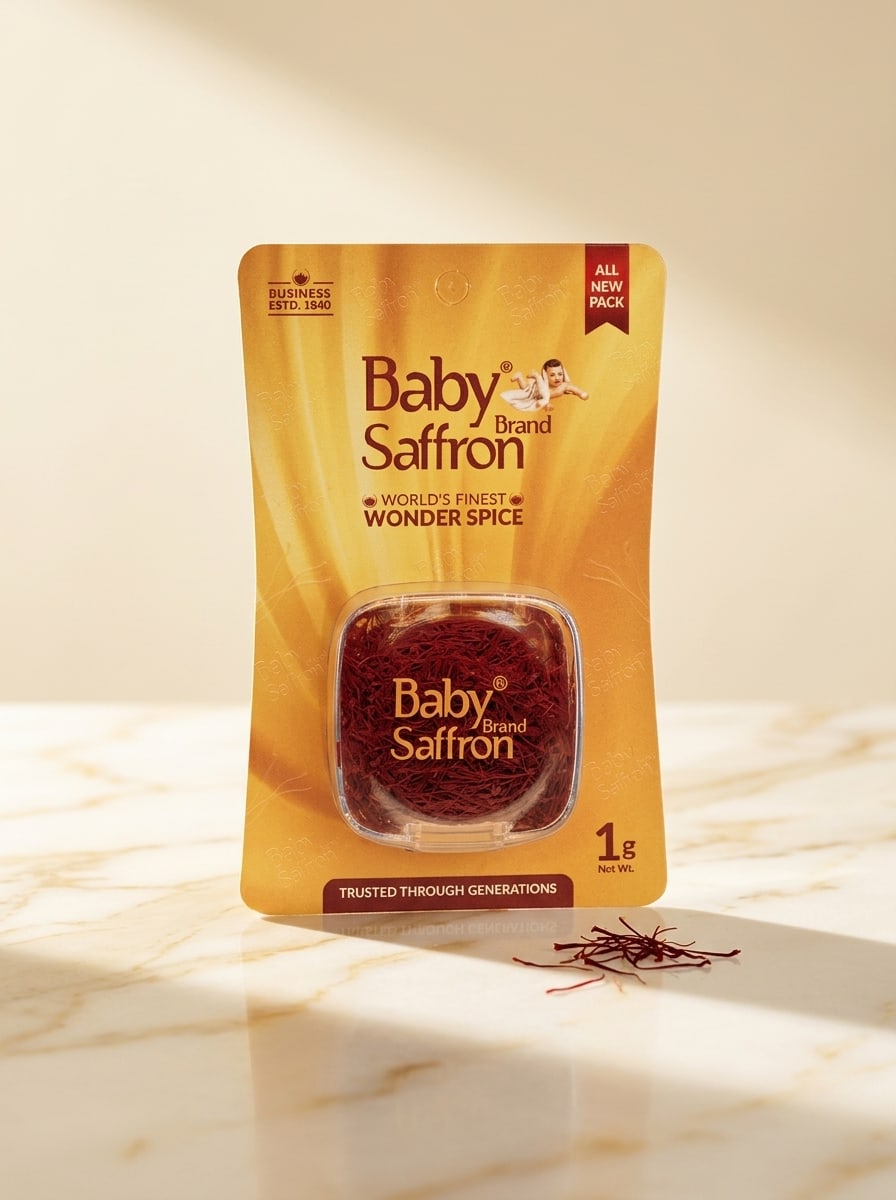
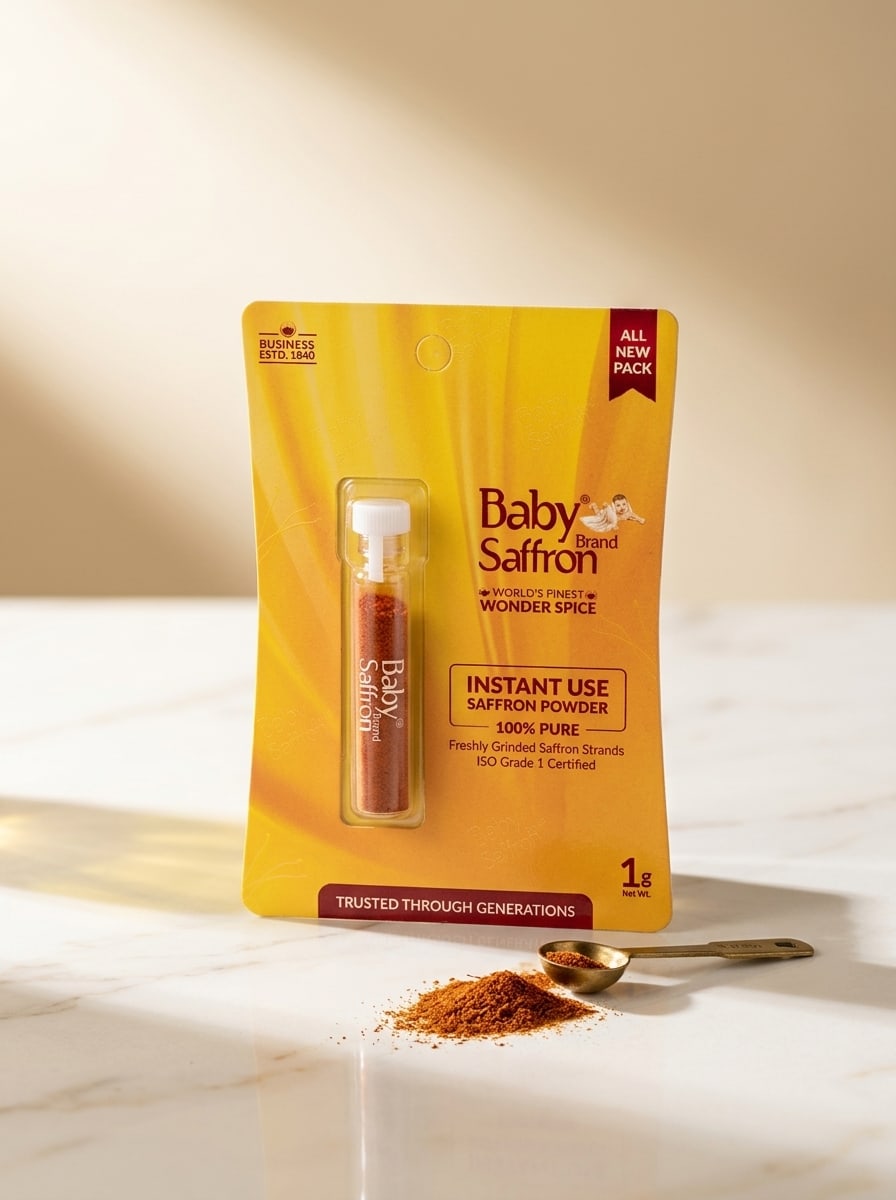
Light is the most destructive and the easiest to avoid. The compounds carrying saffron's colour and aroma break down on exposure, which is why saffron is sold in tins and dark glass rather than clear jars. A pretty glass jar on a sunlit shelf is the single worst thing you can do with good saffron. Keep it opaque, or keep it dark.
Air is slower and relentless. Aroma is volatile by definition — it is the part that leaves — and every time the container is open, some goes. Use a small container rather than a large one with a little in the bottom, close it properly, and resist opening it to smell it every time you pass. We all do it. It costs something.
Heat does the same thing faster. The cupboard above the hob is the most convenient place in any kitchen and the worst place for spices, because it warms every time anything is cooked. Pick somewhere cool that stays cool.
Damp is the one people get wrong, because the instinct is to refrigerate. Don't. The problem is not the cold but what happens each time you take the tin out: a cold container in a warm kitchen draws condensation, and moisture is how threads go limp, clump and lose their snap. A cool dry cupboard beats a fridge comfortably.
So: airtight, opaque, cool, dry, away from the stove. That is the whole method.
How long does it last? Stored like that, saffron holds its character well for a couple of years and stays usable for longer while gradually fading. It does not expire on a date — it declines, and you can smell the decline.
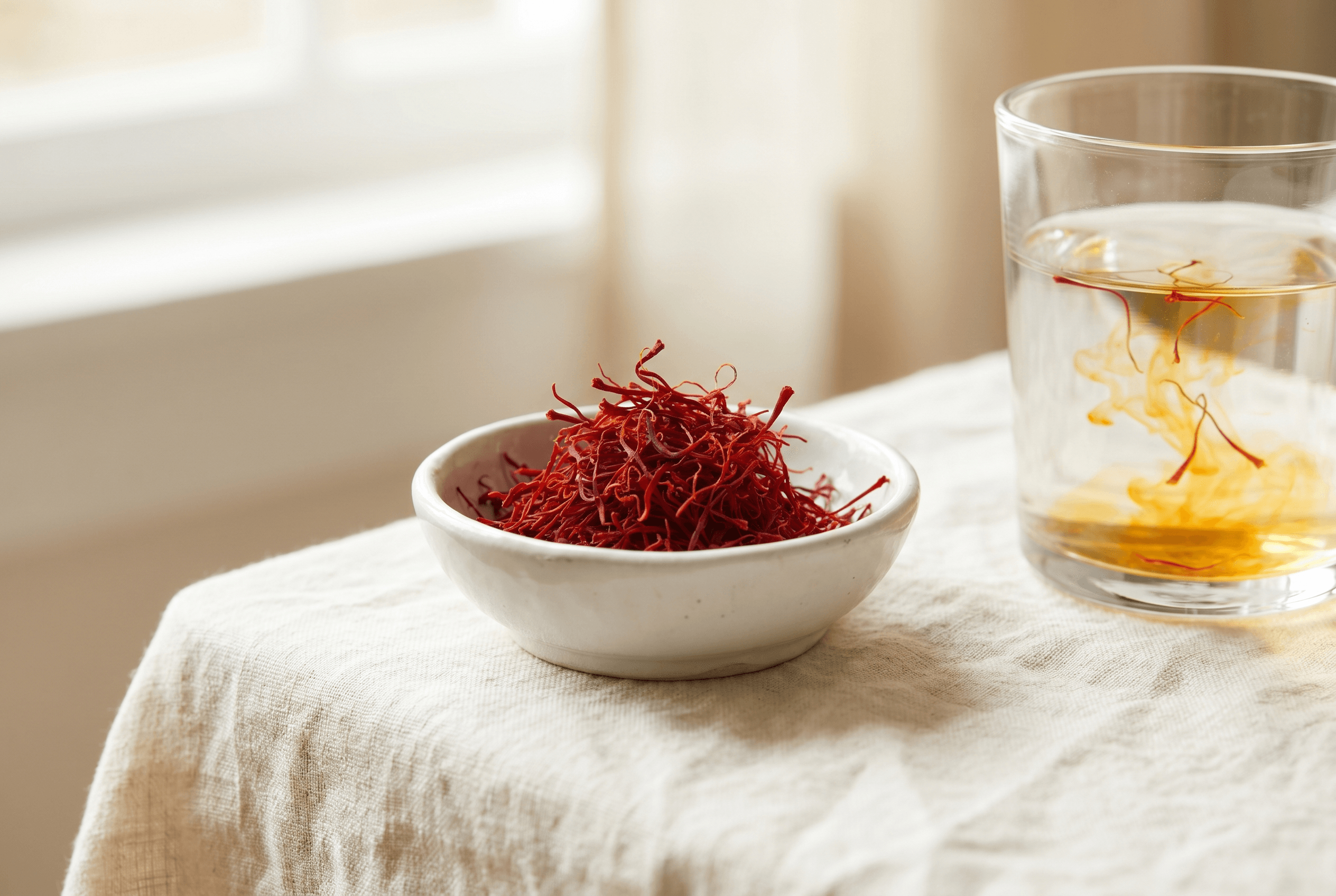
Which is the test worth knowing. Open the tin and smell it. Good saffron announces itself: sweet, faintly of hay, a little floral. If you have to hunt for the smell, the aroma has gone, and no amount of blooming brings it back — you will get colour and very little else. The threads should also still feel dry and brittle rather than soft or bendy.
One last thing. Buying a very large quantity to save money is usually a false economy in a home kitchen: the saving is in rupees per gram and the loss is everything you do not use in time. Buy what you will finish, and keep it in the dark.